
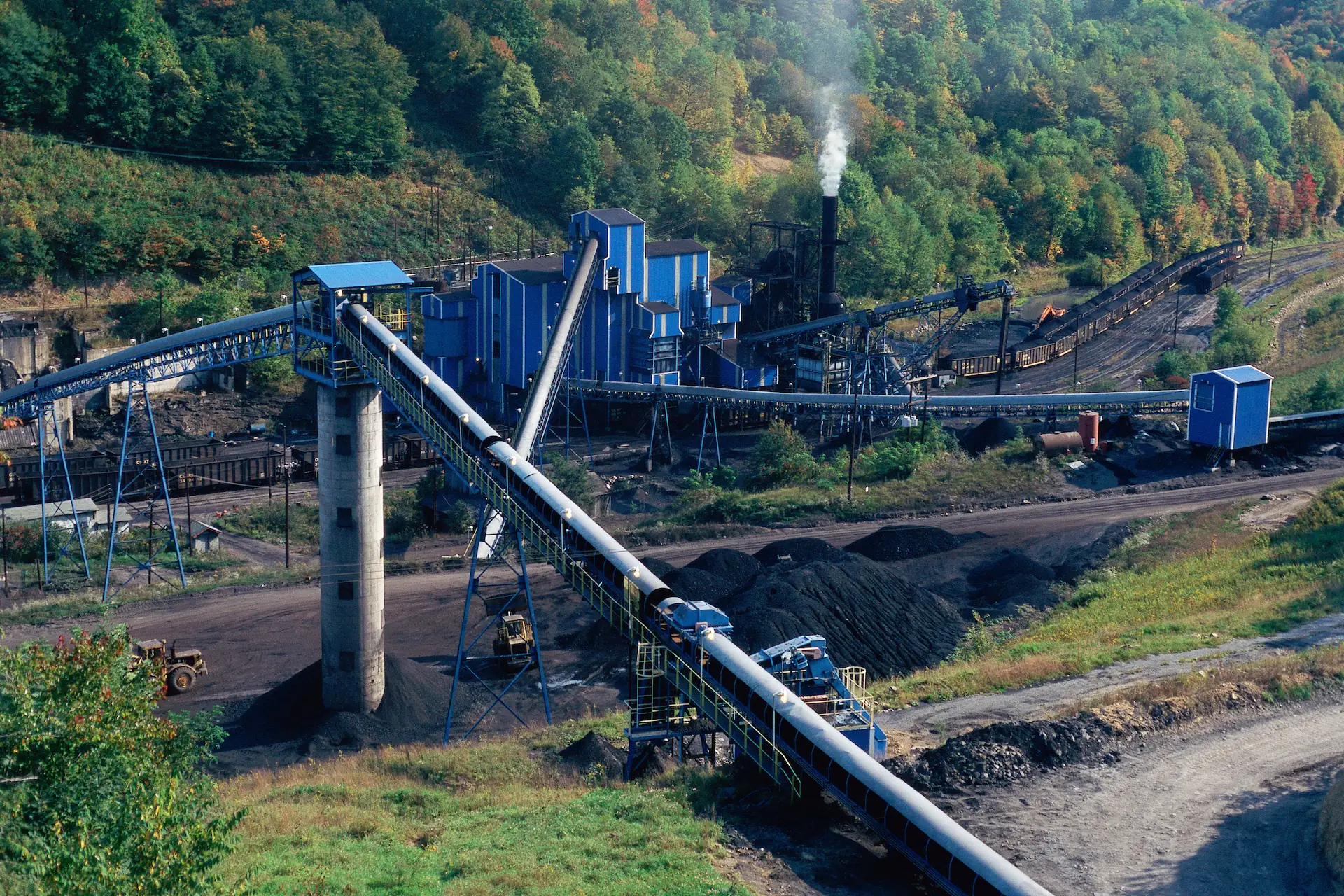

Für energieintensive Unternehmen ist die Umstellung auf aufbereitetes Grubengas eine Win-Win-Situation: Sie unterstützt die Dekarbonisierungsbemühungen einzelner Unternehmen und schont die Umwelt, indem sie den Ausstoß schädlicher Emissionen in die Atmosphäre verhindert.
Aufbereitetes Grubengas (RMG) ist ein kohlenstoffarmer Brennstoff, der aus Abgasen gewonnen wird, die aus aktiven oder stillgelegten Bergwerken aufgefangen werden und sonst in die Atmosphäre entweichen würden. Das aufgefangene Gas wird anschließend aufbereitet, um es in bestehenden Erdgasleitungen nutzen zu können.
Hier erfahren Sie, was Sie wissen müssen über die Produktion von RMG, die Vor- und Nachteile seiner Nutzung zur Emissionsreduzierung sowie wichtige Überlegungen zur Einführung.
Was ist RMG?
Aufgrund seiner Herkunft wird RMG manchmal auch als Kohlegrubenmethan oder Methan aus stillgelegten Bergwerken bezeichnet. Das aufgefangene Grubengas ist hauptsächlich Methan, ein Treibhausgas, das auf einer 100-Jahres-Skala 28- bis 36-mal wirksamer ist als Kohlendioxid (CO₂).
US-Bundesvorschriften verlangen, dass Bergwerke Abgase abführen, um die Sicherheit des Bergwerks und der Bergleute zu gewährleisten. Es gibt jedoch keine Bundesvorschriften, die die Behandlung des unbehandelten Abgases vorschreiben, sobald es aus einem Bergwerk abgeleitet wurde. Infolgedessen wird Grubengas häufig in die Atmosphäre freigesetzt, wo es laut der US-Umweltschutzbehörde (EPA) 8 % der gesamten Methanemissionen des Landes ausmacht. Bergwerke müssen auch nach Einstellung des Abbaus weiterhin Abgase abführen, was oft dazu führt, dass schädliche Abgase über Jahrzehnte in die Atmosphäre gelangen und so langfristig die Umwelt schädigen.
Im Jahr 2022 emittierten stillgelegte US-Bergwerke 6,3 Millionen Megatonnen CO2 Äquivalent (CO2e) an nicht erfasstem Methan, so die EPA.
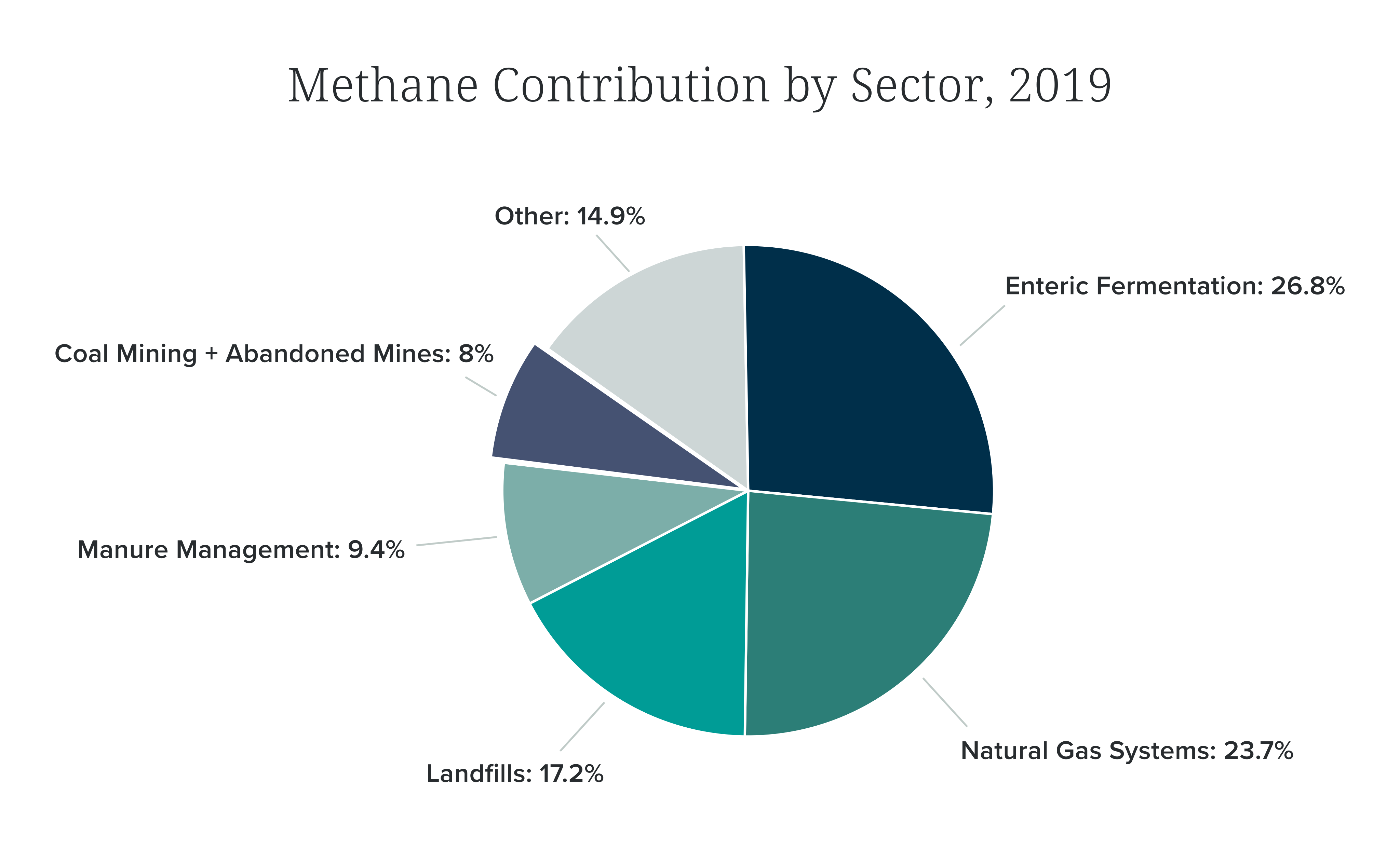
Quelle: U.S. Environmental Protection Agency
https://www.epa.gov/cmop/about-coal-mine-methane
Die Umwandlung von Grubengas in RMG verhindert solche Schäden und macht aus einem Abfallprodukt eine Energiequelle. Der Umwandlungsprozess umfasst das Auffangen des Gases, dessen Aufbereitung zur Entfernung von Verunreinigungen und dessen Komprimierung, damit es über bestehende Erdgasleitungen verteilt werden kann. Der Prozess ähnelt dem Verfahren, das zur Herstellung und Verteilung von erneuerbarem Erdgas (RNG) verwendet wird.
Laut EPA gehören zu den Quellen von RMG:
- Aktive Untertagebergwerke, die Methan über Entwässerungs- (Entgasungs-) und Belüftungssysteme freisetzen
- Stillgelegte oder geschlossene Bergwerke, die Methan durch Entlüftungsöffnungen, Lüftungsrohre, Bohrlöcher oder Risse im Boden freisetzen
- Tagebaue, die typischerweise weniger Methan ausstoßen als Untertagebergwerke, aber je nach abgebauter Kohlemenge große Mengen produzieren können
Die Vor- und Nachteile von RMG
RMG bietet viele Vorteile, die es für Unternehmen nützlich machen, die ihre Treibhausgasemissionen aus Quellen reduzieren möchten, die sie besitzen oder kontrollieren, einschließlich Fahrzeuge, Schiffe, Heizkessel oder Bau- und Landwirtschaftsmaschinen.
RMGs Kohlenstoffintensität ist gering. Die Kohlenstoffintensität ist die Menge an Treibhausgasemissionen, die pro Energieeinheit oder Aktivität erzeugt wird. Die Kohlenstoffintensität von RMG ist vergleichbar mit der von Gülle-basiertem erneuerbarem Erdgas (RNG), wie vom GREET-Modell (Greenhouse Gases, Regulated Emissions, and Energy use in Technologies) des Argonne National Laboratory des US-Energieministeriums bewertet. Das macht es zu einem wertvollen Instrument zur Emissionsreduzierung in schwer zu dekarbonisierenden Sektoren, wie Rechenzentren, Stromerzeugung, chemische Produktion und andere energieintensive Fertigungsanwendungen.
Es ist eine kostengünstige Methode zur Methanminderung. Laut einer Analyse aus dem Jahr 2025 betragen die Kosten für die Methanminderung etwa 20 US-Dollar pro Tonne CO₂e (t CO₂e), was es zu einer kostengünstigen Methode zur Reduzierung von Treibhausgasemissionen macht und wirtschaftlich skalierbar ist.
Es ist ein Drop-in-Kraftstoff. RMG kann in gängige Erdgasleitungen eingespeist werden, ohne dass die bestehende Infrastruktur aktualisiert werden muss. Als Drop-in-Kraftstoff können Unternehmen, die Anlagen oder Einrichtungen mit Erdgas betreiben, auf RMG umsteigen, um die Kohlenstoffintensität zu reduzieren, ohne die bestehende Infrastruktur zu modifizieren.
Es ist attraktiv für energieintensive Verbraucher. Für Unternehmen, die im Rahmen ihrer Geschäftstätigkeit erhebliche Energiemengen verbrauchen, wie Stromerzeuger, Rechenzentren oder Chemieunternehmen, ist RMG eine attraktive Option mit geringer Kohlenstoffintensität im Vergleich zur Nutzung konventioneller fossiler Ressourcen.
Es wird von mehreren Registern für Umweltzertifikate anerkannt. RMG wurde als genehmigte Ressource zur Erzeugung von Umweltzertifikaten auf M-RETS akzeptiert, dem CleanCounts-Dienst, der Attribute und Energierohstoffe verfolgt und verwaltet, wobei die ersten Projekte voraussichtlich bis Ende Juli 2026 gelistet werden. Es wird jedoch im Rahmen mehrerer staatlicher Renewable Portfolio Standards (RPS) anerkannt, darunter in Pennsylvania, Ohio, Colorado und Illinois. Als das Argonne National Laboratory RMG im Jahr 2024 in das föderale GREET-Modell integrierte, ermöglichte dies Unternehmen, es zur Qualifizierung für die Steuergutschriftprogramme gemäß Abschnitt 45Z des Inflation Reduction Act zu nutzen.
Um sicherzustellen, dass es ihren Bedürfnissen entspricht, sollten Käufer, die RMG in Betracht ziehen, Folgendes beachten:
Es ist nicht-biogen. Nicht-biogene Kraftstoffe werden aus nicht-organischen Materialien gewonnen. Obwohl RMG auf der Grundlage wissenschaftlicher Analysen erhebliche Emissionsreduktionen liefert, kann seine Berechtigung für Anreize für erneuerbare Energien eingeschränkt sein, da es ein aus fossilen Brennstoffen gewonnener Kraftstoff ist.
Die Leitlinien sind begrenzt. Das globale Standardisierungsgremium des Greenhouse Gas Protocol enthält keine dedizierte, weithin anerkannte Methode zur Bilanzierung der Methanvermeidung im Zusammenhang mit RMG in Inventaren. Die bestehende Bilanzierung der Methanvermeidung unterscheidet sich je nach berichtendem Unternehmen, Branchenzielen und Gasbrennstoffprogramm. Es gibt jedoch weithin anerkannte Methoden zur Anrechnung der Methanvermeidung im Zusammenhang mit der RMG-Zerstörung, einschließlich der Protokolle des Climate Action Reserve, des American Carbon Registry und des California Air Resources Board. Es wird daran gearbeitet, diese Methoden zu erweitern, um in Pipelines eingespeistes RMG im selben Rahmen anzuerkennen.
Wichtige Überlegungen zur Einführung von RMG
RMG ist gut geeignet für Organisationen mit erheblichem Energiebedarf, insbesondere für Unternehmen, die Erdgas für Heizung, Stromerzeugung oder industrielle Prozesse nutzen. RMG eignet sich auch gut für Unternehmen, die sofort einsetzbare, infrastrukturkompatible kohlenstoffarme Kraftstoffe benötigen, die keinen Austausch oder Umbau von Anlagen erfordern.
Da RMG Methanemissionen mit hoher Klimawirkung mindert, ist es attraktiv für Unternehmen mit methanbezogenen Klimazielen oder die extrem kohlenstoffarme Kraftstoffe zur Emissionsreduzierung einsetzen möchten. Besonders attraktiv ist es für Unternehmen mit Zugang zu Pipelines oder die in Regionen tätig sind, in denen Regulierungsbehörden oder freiwillige Märkte Methanvermeidungsattribute anerkennen.
Unternehmen, die RMG in Betracht ziehen, müssen verstehen, wie sie die Methanvermeidung „insetting“ in ihre Emissionsinventare integrieren werden. Dazu gehört, wie der Methanvermeidungsvorteil im Rahmen anwendbarer regionaler Programme anerkannt wird, wie sie Attribute (entweder als gebündeltes Gas oder als Umweltzertifikate) handeln und stilllegen werden und wie ihre Emissionsberichtsstrategien eine marktorientierte Berichterstattung integrieren werden.
RMG ist eine ideale Lösung für Käufer, die eine integrierte thermische Dekarbonisierungsstrategie bewerten, die Kosten, Verfügbarkeit, Insetting und die Übereinstimmung mit den Richtlinien für Unternehmensansprüche berücksichtigt.
Wie Anew helfen kann
RMG bietet Käufern ein leistungsstarkes Instrument zur Emissionsreduzierung, das eine signifikante Dekarbonisierung in großem Maßstab ermöglicht. RMG reduziert nicht nur schädliche Emissionen an der Quelle, es verwandelt auch ein Abfallprodukt in eine nützliche Energiequelle und eine praktische Klimalösung.
In den Vereinigten Staaten vermarktet Anew RMG durch Partnerschaften mit mehreren RMG-Erfassungsprojekten und bietet unseren Käufern eine umfassende Strategie zur Nutzung dieser Ressource.
Sprechen Sie mit uns über Ihre Bedürfnisse.