Carbon Farming Program of Lithuania

Project Overview
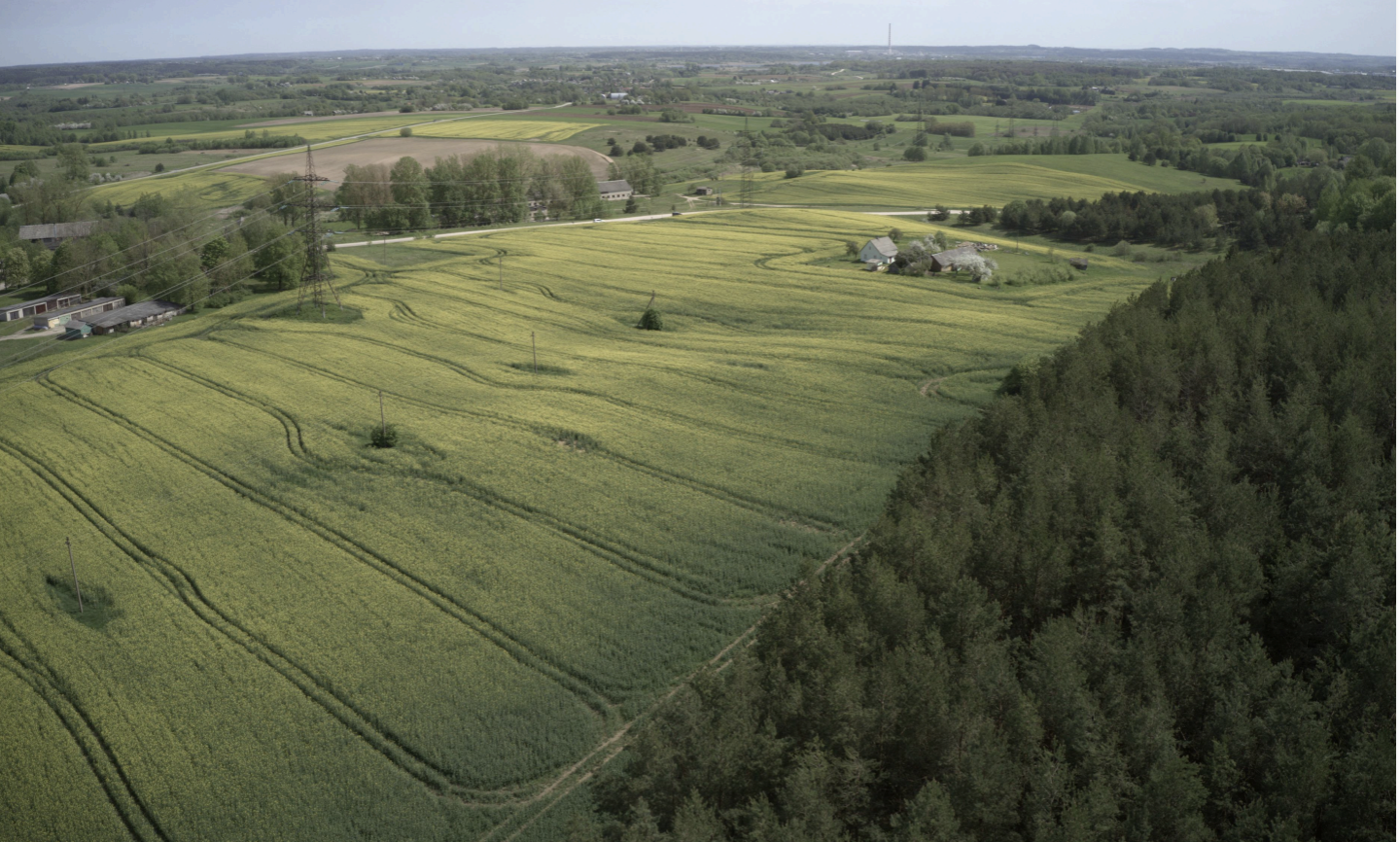
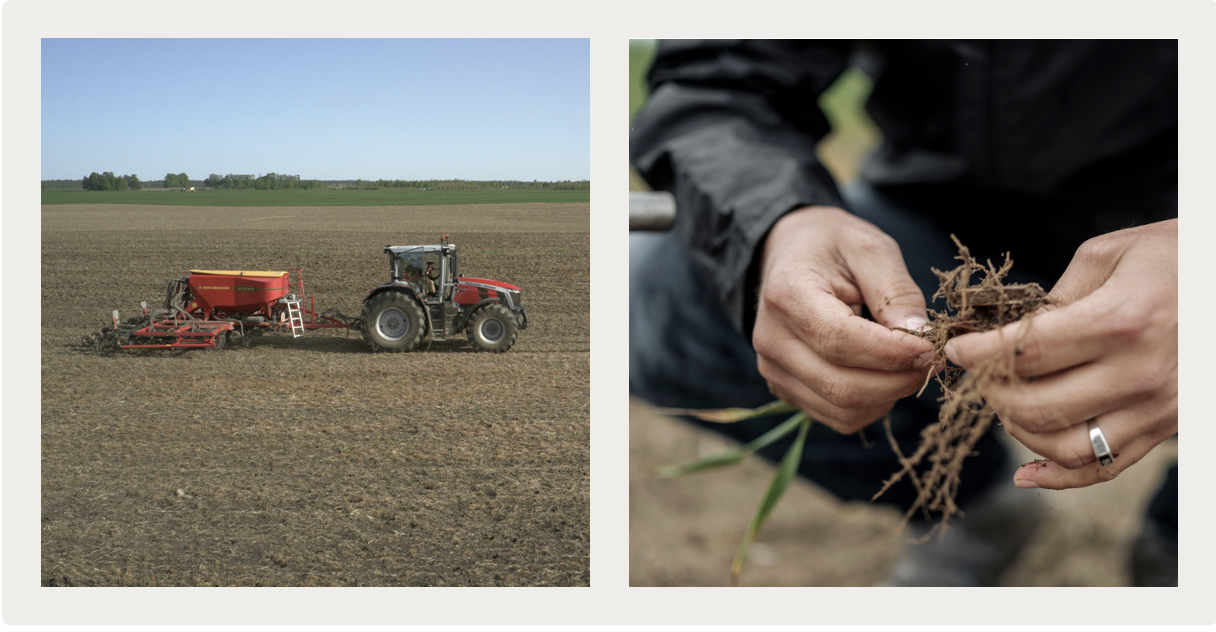
The Carbon Farming Program of Lithuania, initiated by InSoil, is a large-scale regenerative agriculture initiative supporting the transition of conventional cropland toward climate-smart land management practices. The program incentivizes farmers to adopt improved agricultural practices that increase soil organic carbon while reducing emissions associated with fertilizer use and on-farm operations. These practices include reduced synthetic fertilizer use, minimal tillage, improved residue management, crop rotation, and cover cropping.
The project is implemented as a grouped program across Lithuania, enrolling multiple independent farms under a unified monitoring and verification framework. Emissions reductions and removals are quantified using the VM0042 methodology and RothC soil carbon modeling, with independent verification conducted by SCS Global. Verified results show an average sequestration rate of 2.11 tCO₂e per hectare per year, equivalent to approximately 35,000 tCO₂e annually and nearly 700,000 tCO₂e over the 20-year crediting period. More than 90 percent of the credits generated are carbon removals.
In addition to delivering measurable climate impact, the program strengthens soil health, improves farm resilience, and supports long-term rural economic stability. The project aligns with Lithuania’s and the European Union’s broader sustainability objectives, offering buyers a high-integrity, scalable solution rooted in durable land-use change.
Sustainable Development Impacts
3: Good Health and Well-Bein: By reducing reliance on synthetic fertilizers and improving water quality through lower nutrient runoff, the project supports healthier environments for farming communities and surrounding ecosystems
8: Decent Work and Economic Growth: The project activities increase crop yield and reduce crop vulnerability in times of extreme stressors. This increase in productivity and nutrient uptake leads to greater availability of calorie- and nutrient-rich food, helping to reduce hunger.
13: Climate Action: Through the adoption of regenerative practices that sequester soil carbon and reduce greenhouse gas emissions, the project contributes directly to measurable climate mitigation outcomes
15: Life on Land: Improved soil management and reduced chemical inputs help restore soil health, enhance biodiversity, and promote more sustainable land use across agricultural landscapes



Impact in numbers
Project Activities & Carbon Removal Mechanism
The project implements a suite of improved cropland management practices designed to enhance soil carbon sequestration and reduce greenhouse gas emissions. These soil-focused practices are the primary drivers of credit generation within the project.
Key practices include:
- Residue management
- Cover cropping
- Reduced and conservation tillage
- Gradual optimization of synthetic fertilizer use
- Increased use of organic inputs where applicable
Carbon Removals
During the first monitoring period, residue management and cover cropping were adopted across all participating farms, while approximately half transitioned to conservation tillage. These practices improve soil structure, reduce disturbance, and enhance biological activity, resulting in increased storage of carbon in agricultural soils. As a result, soil organic carbon sequestration represents the majority of credits generated.
Carbon Reductions & Avoidanc
Adjustments to synthetic fertilizer application and on-farm fuel use generate additional emissions reductions. These practices were implemented more gradually across participating farms, contributing to a smaller share of credits relative to removals.
Additionality
The project demonstrates additionality under Verra’s regulatory surplus, common practice, and barrier analysis tests.
The Carbon Farming Program of Lithuania demonstrates strong additionality by enabling the adoption of regenerative agricultural practices that would likely not occur at scale without project support. Prior to implementation, many participating farms faced financial and operational barriers that limited their ability to transition away from conventional, input-intensive farming methods. The project addresses these challenges through financial incentives, zero-interest loans, and technical guidance, helping farmers absorb the upfront costs and risks associated with changing long-standing practices. Carbon revenue plays a critical role in making these sustainable approaches economically viable, supporting investments in equipment, training, and operational improvements. Without this structured support, the widespread shift toward reduced synthetic fertilizer use, minimal tillage, and enhanced soil management would be significantly less feasible. By aligning environmental outcomes with economic benefits for farmers, the program creates a durable pathway for emissions reductions and soil carbon sequestration that extends beyond business-as-usual practices.
Baseline Scenario
Participating farms cultivate a range of common Lithuanian crops reflecting typical regional rotations. These include oilseeds such as winter and summer rapeseed; legumes including peas, broad beans, and buckwheat; and cereals such as winter and summer wheat, barley, oats, rye, and triticale.
Under the baseline scenario, participating farms would continue conventional agricultural practices with limited adoption of cover cropping, residue management, or reduced tillage. This business-as-usual approach would result in lower soil organic carbon stocks and higher associated greenhouse gas emissions.
The project establishes farmer-specific baselines, enabling conservative, site-specific quantification of improvements attributable to the implemented practice changes.
Common Practice
While certain sustainable agricultural practices exist in Lithuania, adoption rates for the integrated set of practices implemented under this project remain low. The combined adoption of these practices falls well below common practice thresholds, supporting the project’s additionality.
Financial and Operational Barriers
Transitioning to regenerative agriculture involves meaningful upfront costs, operational complexity, and financial risk for farmers. These barriers include equipment upgrades, changes in agronomic management, and potential short-term yield variability. Given thin operating margins across much of the agricultural sector, most farms are unable to absorb these risks without external support.
Carbon revenue and associated transition finance provided through the program are critical to overcoming these barriers and enabling large-scale adoption of improved land management practices.
Monitoring, Reporting and Verification (MRV)
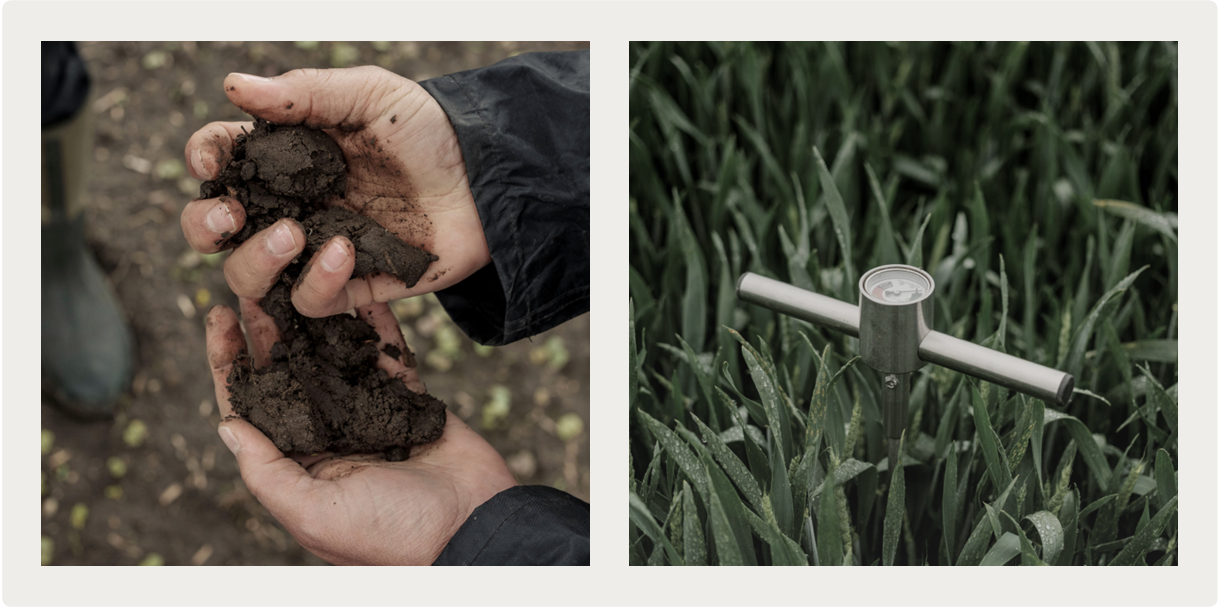
The project applies Quantification Approach 1 (“model and measure”) under VM0042 v2.0. The MRV framework combines direct soil sampling, biogeochemical soil carbon modeling using the RothC model, farmer-reported land management data, periodic re-measurement to recalibrate model outputs, conservative uncertainty deductions, and independent third-party validation and verification.
This approach ensures robust, transparent, and conservative quantification of both soil carbon removals and emissions reductions.
Non-Permanence and Risk Management
The project applies Verra’s AFOLU non-permanence risk framework and contributes to a shared buffer pool to manage potential reversal risk.
Key permanence and assurance features include:
- A 12% buffer pool contribution in line with Verra AFOLU nonpermanence requirements
- Long-term contractual commitments with participating farmers
- Ongoing monitoring of land management practices
- Performance-based incentives tied to the continued implementation of regenerative practices
- Contractual penalties and exclusion from the program in cases of non-compliance
Together, these measures form a layered assurance approach designed to minimize reversal risk and support long-term environmental integrity throughout the crediting period
Regulatory Surplus
There are no regulatory requirements in Lithuania or the European Union mandating the adoption of the regenerative or improved cropland management practices implemented under this project.
Farmer Incentives and Transition Finance
The program provides participating farmers with financial and technical support to enable the transition to regenerative land management practices, including:
- Revenue sharing from carbon credit sales
- Access to zero cash-interest transition finance, where loan interest is serviced through carbon credit revenue
- Optional participation in financing programs, utilized by a subset of enrolled farmers
- Agronomic support, training, and ongoing technical guidance
This incentive structure aligns farmer participation with long-term climate outcomes while reducing financial and operational barriers to adoption.
Co-Benefits
Beyond its climate impact, the Carbon Farming Program of Lithuania delivers meaningful environmental, economic, and social co-benefits. Regenerative practices improve soil health and fertility, supporting more productive and sustainable agricultural systems over time. Reduced nutrient runoff contributes to better water quality, while enhanced soil structure increases resilience to drought and climate variability. Economically, the program helps strengthen rural stability by creating new revenue opportunities for farmers and supporting long-term land stewardship. The initiative also prioritizes knowledge transfer and capacity building, equipping farmers with the tools, training, and best practices needed to sustain these outcomes well into the future

About Anew Climate
Anew Climate is a leading provider of high-integrity carbon solutions, helping organizations advance their decarbonization strategies with confidence. With over two decades of experience in environmental markets, we develop, vet, and monitor carbon projects across one of the industry’s largest and most diverse portfolios spanning North America and the EU. From nature-based solutions to advanced carbon removals, every project is grounded in science and built to the highest standards of quality and transparency. Backed by deep market expertise and leading climate investors, Anew simplifies a complex landscape so organizations can accelerate progress toward their Scope 1, 2, and 3 climate goals and deliver measurable impact.