

Sometimes, the impact of carbon markets can feel abstract.
Credits, tons, registries, methodologies, most of the conversation lives at a distance from the people and places they’re meant to support.
But every once in a while, you get a moment that makes it tangible.
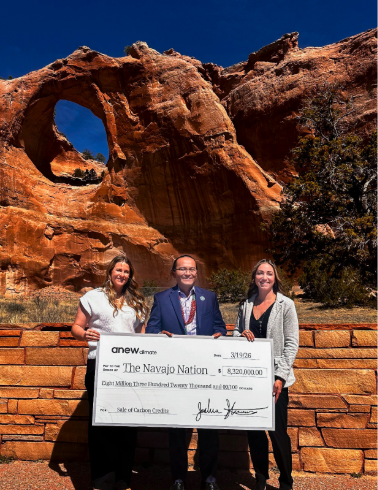
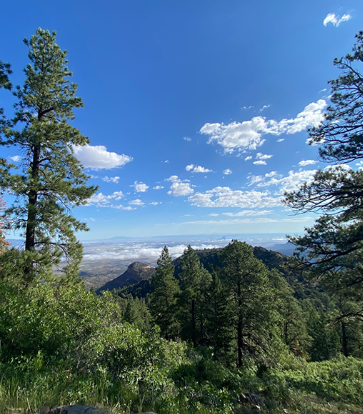
Recently, the Navajo Nation received over $8,000,000 from the sale of carbon credits generated through its forestry project developed by Anew, which spans more than 500,000 acres across Arizona and New Mexico.
To mark the milestone, Anew joined Navajo Nation leadership for a moment of recognition, one that reflected not just the scale of the project, but what it represents.
Beyond Carbon: What the Project Supports
This project is designed around long-term stewardship.
By prioritizing carbon sequestration over more extractive land uses, the Navajo Nation is creating a pathway that delivers both climate impact and lasting economic value.
As one of the largest forest carbon projects by acreage to enroll in California’s compliance program, it has already removed millions of metric tons of CO₂ from the atmosphere.
The revenue generated supports:
- Ongoing forest management and resilience
- Community services through the Nation’s general fund
- New investments in education, including scholarship funds for future generations
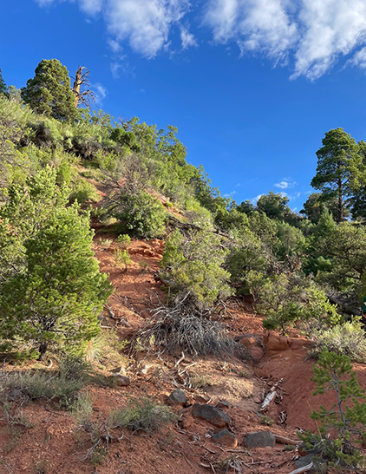
The project also supports job training for Navajo forestry technicians, maintains access to traditional lands, and helps preserve cultural practices tied to those landscapes. Additionally, it delivers environmental benefits across the broader region, including watershed protection within the Colorado River basin.
A Moment Worth Recognizing
Representing Anew, Jessica Stalberger, Senior Manager, Client Success, and Megan Finlay, Director of Natural Climate Solutions, joined Buu Nygren, President of the Navajo Nation, to mark the occasion.
It’s not something we do every day, but it was a moment worth recognizing, because behind every carbon credit is more than a transaction.
It’s land.
It’s people.
It’s intentional decisions about how resources are managed and communities are supported long-term.
And sometimes, it’s worth pausing to see what that actually looks like.