Cassidy Timberlands Forestry Project
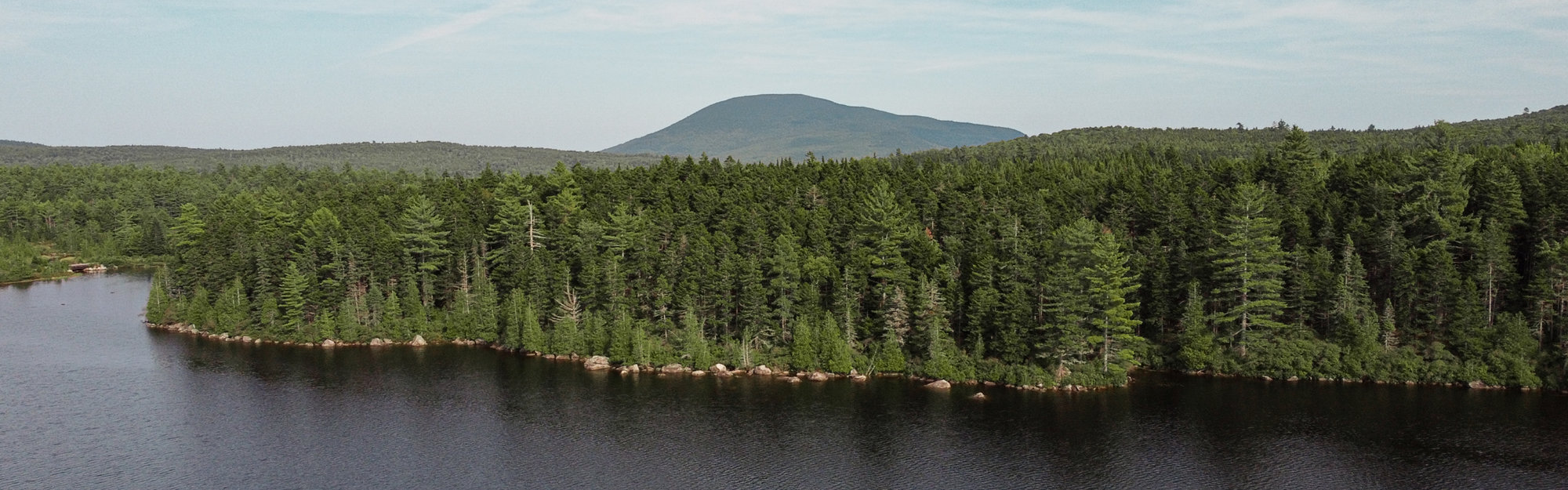
Balancing timber heritage with long-term forest health in Maine.
The Cassidy Timberlands Forestry Project is an Improved Forest Management (IFM) initiative spanning 193,247 acres of northern hardwood and Acadian forest across Aroostook, Hancock, Penobscot, Piscataquis, and Somerset counties in Maine. The land has been owned by Cassidy Timberlands LLC, a family-owned business, for over a century, with income historically tied to timber production. The project marks a shift toward a more balanced, carbon-focused management strategy.
The project's baseline reflects the harvest levels Cassidy would likely maintain absent a carbon project, based on the company's financial goals and regional industrial timber practices. Under the carbon project, Cassidy has committed to harvesting no more than 80,000 cords per year — well below historic levels — allowing the forest's carbon sequestration potential to become a financial asset alongside continued, lower-intensity timber production. The project generates both conservation and removal credits, registered under the American Carbon Registry.
Beyond carbon impact, the property protects a network of streams, ponds, and heritage waters that support wild brook trout and the endangered Atlantic salmon, including habitat within Maine's Priority Conservation Areas. The land also sustains public recreation, with more than 15 miles bordering the Appalachian Trail and access to hunting, fishing, hiking, and snowmobiling across the KI Jo-Mary region.

Additionality
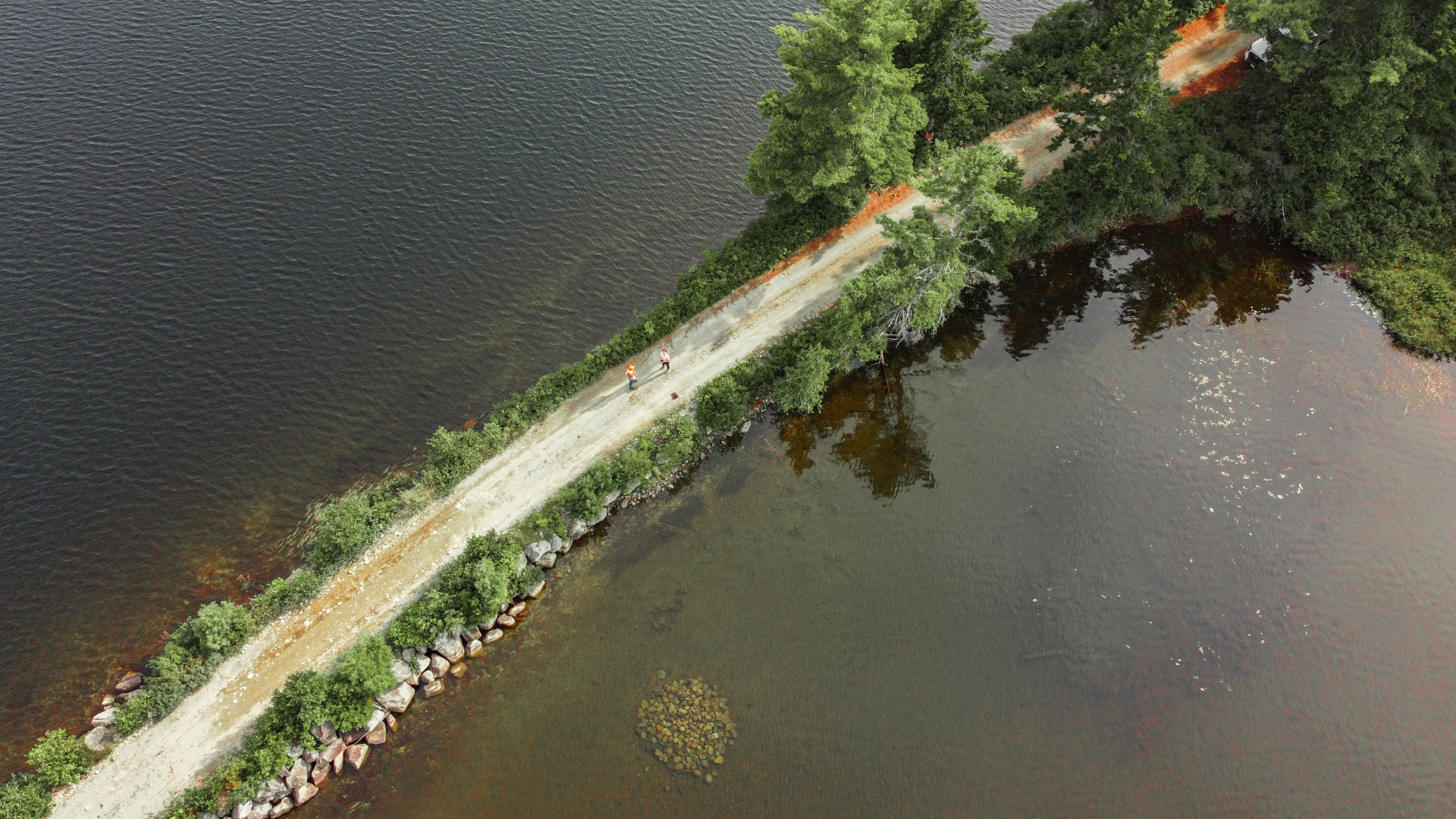
The Anew–Cassidy Forestry project encompasses 193,247 acres of northern hardwood and Acadian forest types in Maine, spanning the central and northern counties of Aroostook, Hancock, Penobscot, Piscataquis, and Somerset. The property is owned by Cassidy Timberlands LLC (Cassidy), a family-owned business for over a century, and has been purchased gradually over this time. As a large private industrial landowner, Cassidy's income has historically been dependent on timber products. The company's long-term priority is to secure sustainable financial returns while preserving the land as a multi-generational legacy.
Cassidy has long emphasized sustainable forestry practices yet has had to balance financial needs with environmental stewardship. Historically, its forest management strategy focused on maximizing returns from timber harvesting over the long term, generally through annual harvests which roughly matched forest growth. Over time, this has resulted in stocking levels attractive for harvest and created a robust inventory of high value timber products, achieved through silvicultural prescriptions favoring long-lived species.
Instead of continuing with this harvest-dependent strategy, Cassidy is now embracing a more balanced approach. The Anew-Cassidy project will reduce the rate of timber harvest below historic levels, as Cassidy has committed to harvesting an average of no more than 50% of annual growth during the first 10 years of the project. This project ensures that the forest's carbon sequestration potential is prioritized as a financial asset, replacing some of the financial return previously generated from timber harvesting. By lowering harvest rates, the project represents a significant shift in management practices, further ensuring that forest health, biodiversity, and long-term sustainability are central to Cassidy's vision for the future. The commitment to reduce harvest levels is a key component of this project, reflecting Cassidy's dedication to exceeding industry standards and contributing meaningfully to climate change mitigation.
Our key goals encompass providing a secure long-term financial investment while preserving the property as an inter-generational legacy. The carbon project will relieve pressure to maximize forest revenues, allowing us to focus on holistic land management. Our primary motivation is driven by the desire to expand the diversity of forest products derived from our land. “
— Sara Woodman, Cassidy Timberlands LLC Manager
Baseline Description
The baseline scenario models reductions in carbon stocking across the property under a management strategy that is consistent with Cassidy's financial goals in the absence of carbon revenue, regional practices by industrial timber managers, and state-level best management practice (BMP) requirements. The land is unencumbered by easements or protective instruments which would administratively restrict harvesting, and Cassidy has managed the land consistently and at its own discretion for timber revenue. There is substantial mill capacity to meet the baseline's supply. A forest carbon project on Cassidy ownership prevents significant volumes from being harvested, allowing the forest to maintain its current stocking and continue to sequester meaningful levels of carbon into the future.
Regional Harvest Activities
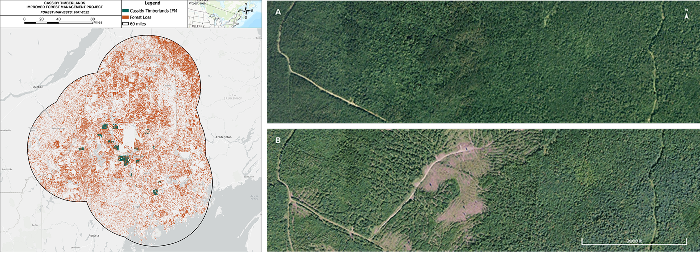
A conservative baseline scenario considers not only what a landowner could do, but what a landowner plausibly would do in the absence of the harvest limitations associated with a carbon project. In the following map, Anew demonstrates actual recent harvests in the project area's region. This data speaks to the strength of local timber markets and common management practices on forested properties of comparable size and ownership type—an integral piece to inform the accuracy and viability of assumptions in the baseline scenario.
Harvest Comparison
All harvests/forest losses larger than 5 acres that happened between 2001 and 2022 within a 60 mile radius from the project area are depicted in orange, showing the very real pressures on forests in the area. The carbon project ensures sustainable management on the project area for 40 years, twice as long as the period depicted above.
Regional Mill Map
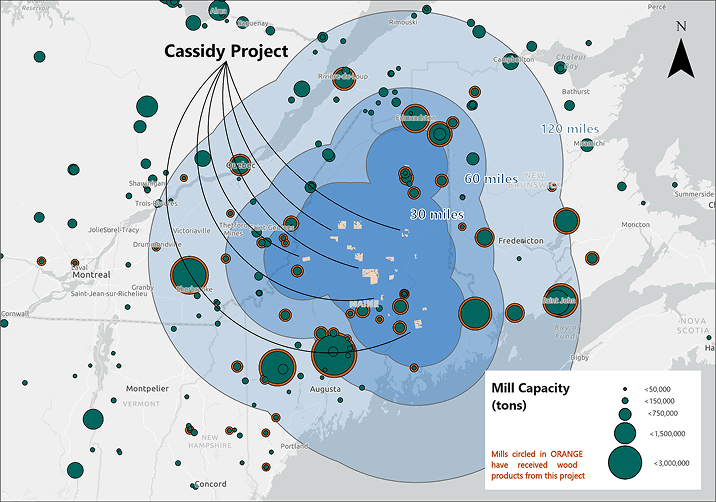
A strong understanding of local forest products infrastructure is key to building a realistic and conservative baseline scenario. To carry out harvests modeled in the baseline, a forest property must be within a feasible travel distance to active processing facilities. This map presents mills that are drivable from the project area along with their relative processing capacity, delineating a framework for a current or future landowner to move timber in the absence of the carbon project, thereby providing a critical piece of direct evidence to the credibility and additionality of the carbon credits resulting from the project's activities.
Area Regional Mill Capacity
The calculated mill capacity is 3.94 million green tons within 200 kilometers of the project boundary, and the baseline harvest is 116,120 green tons per year in the first ten years of the project. This equates to 2.95% of the 200-km mill capacity that is represented by the Beaver Falls baseline.
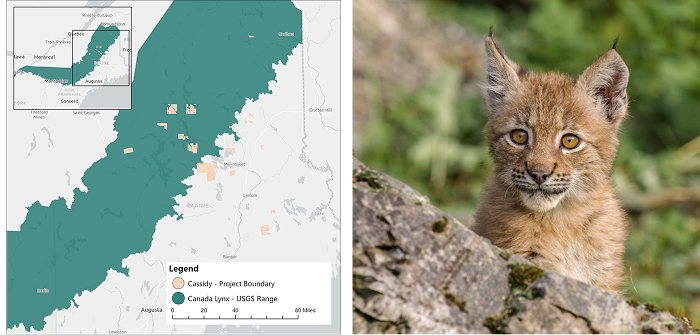
Ecological Highlight
A conservative baseline scenario considers not only what a landowner could do, but what a landowner plausibly would do in the absence of the harvest limitations associated with a carbon project. In the following map, Anew demonstrates actual recent harvests in the project area’s region. This data speaks to the strength of local timber markets and common management practices on forested properties of comparable size and ownership type—an integral piece to inform the accuracy and viability of assumptions in the baseline scenario.
Project Impacts
Sustainable Development Goals in action
A universal blueprint for a better world—Anew is helping deliver on the United Nations global vision for social, economic, and environmental sustainability.
Clean Water and Sanitation
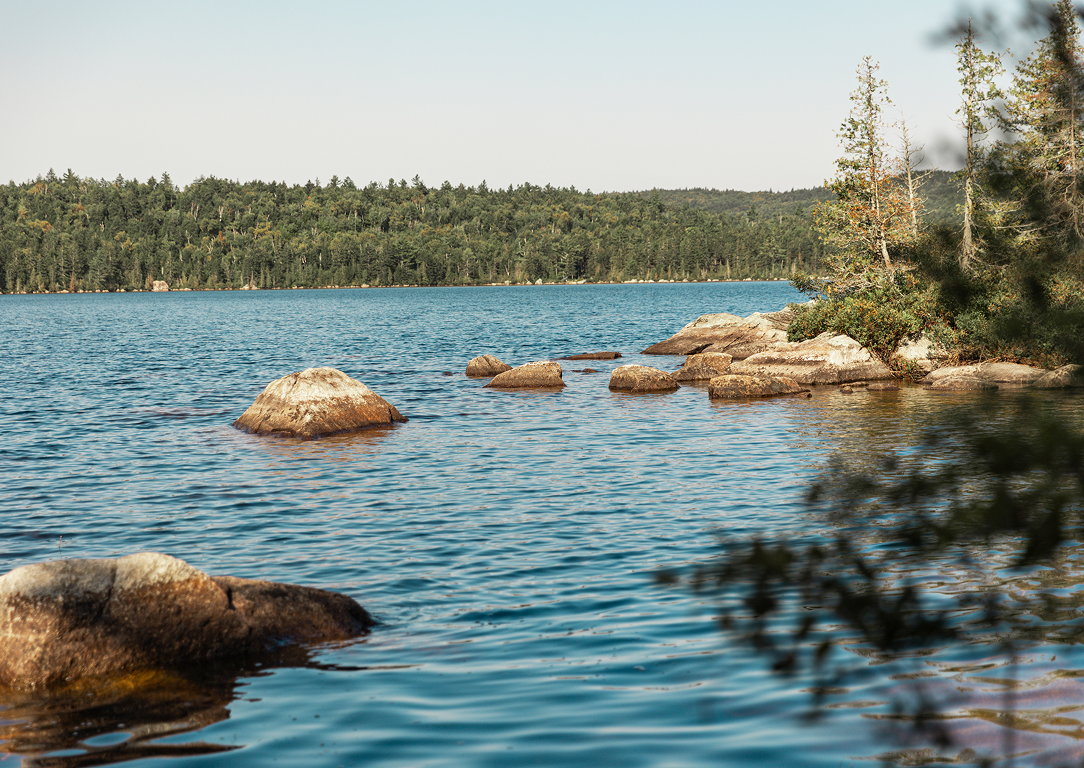
The Anew – Cassidy Forestry Project plays a critical role in preserving vital water resources that support aquatic species, recreational activities, and provide downstream drinking water for local populations. The project area encompasses 24 wild brook trout ponds and 15 heritage ponds and streams, which flow into the Penobscot and Pleasant Rivers. The West Branch of the Penobscot River, which flows through the property, is an essential waterway for many of the downstream communities, including Brewer and Bangor, Maine.
Additionally, the township of TAR11 WELS, located within the project's boundaries, is distinguished for its concentration of heritage wild trout-supporting ponds that have never been stocked. By implementing reduced harvesting and continued sustainable management practices through the carbon project, Cassidy Timberlands is taking significant steps to minimize the impact of forestry operations on these sensitive water resources.
These practices help maintain the integrity of aquatic habitats by protecting water quality, regulating stream temperatures, and reducing sedimentation. Furthermore, the diverse forest structures created through careful management enhance the surrounding watershed, ensuring a healthier and more resilient environment for both aquatic wildlife and the communities that depend on these waterways for clean drinking water.
Reduce Inequalities
This is a content test
How does IFM generate both removals and conservation credits?
Conservation Credits
Conservation credits account for climate benefit coming from the protection of the project area. Emissions that would have been released if the land was instead harvested in the absence of the project are quantified. Many of the co-benefits associated with forestry projects are inherently linked to the preservation of existing forest stands.
Removal Credits
As the newly protected trees grow, carbon is pulled from the atmosphere and sequestered in the trees’ wood material through the most proven direct air capture technology on the planet, photosynthesis.
Explore more projects