Rootella Carbon
Biological soil amendments catalyzing durable carbon dioxide removal in cropland.
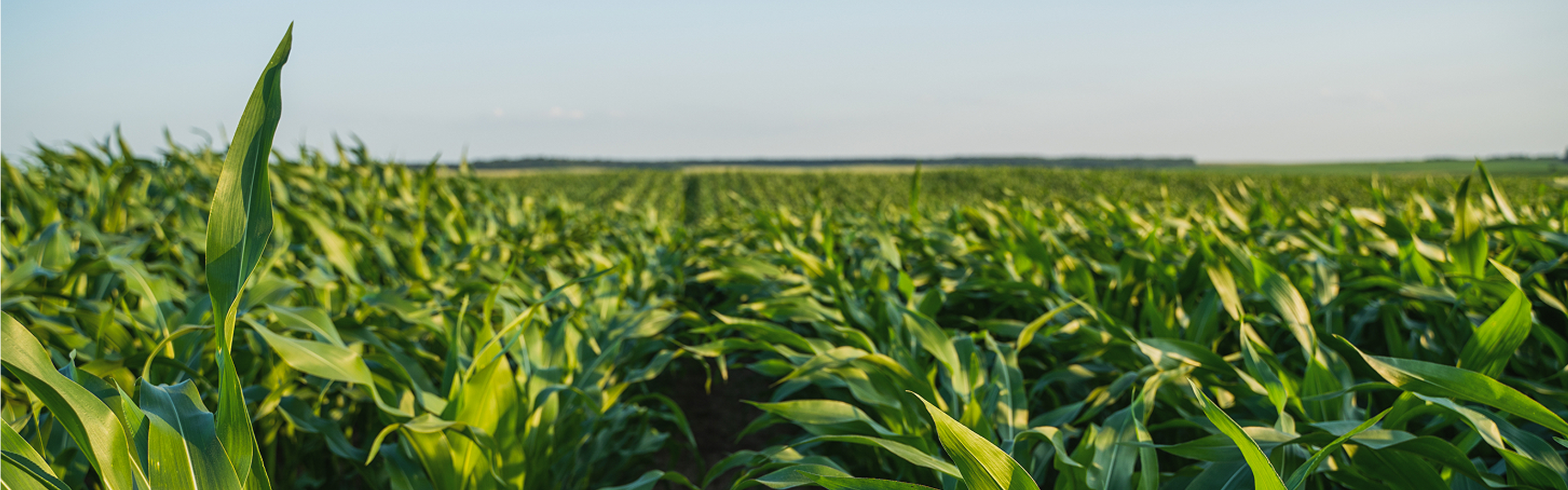
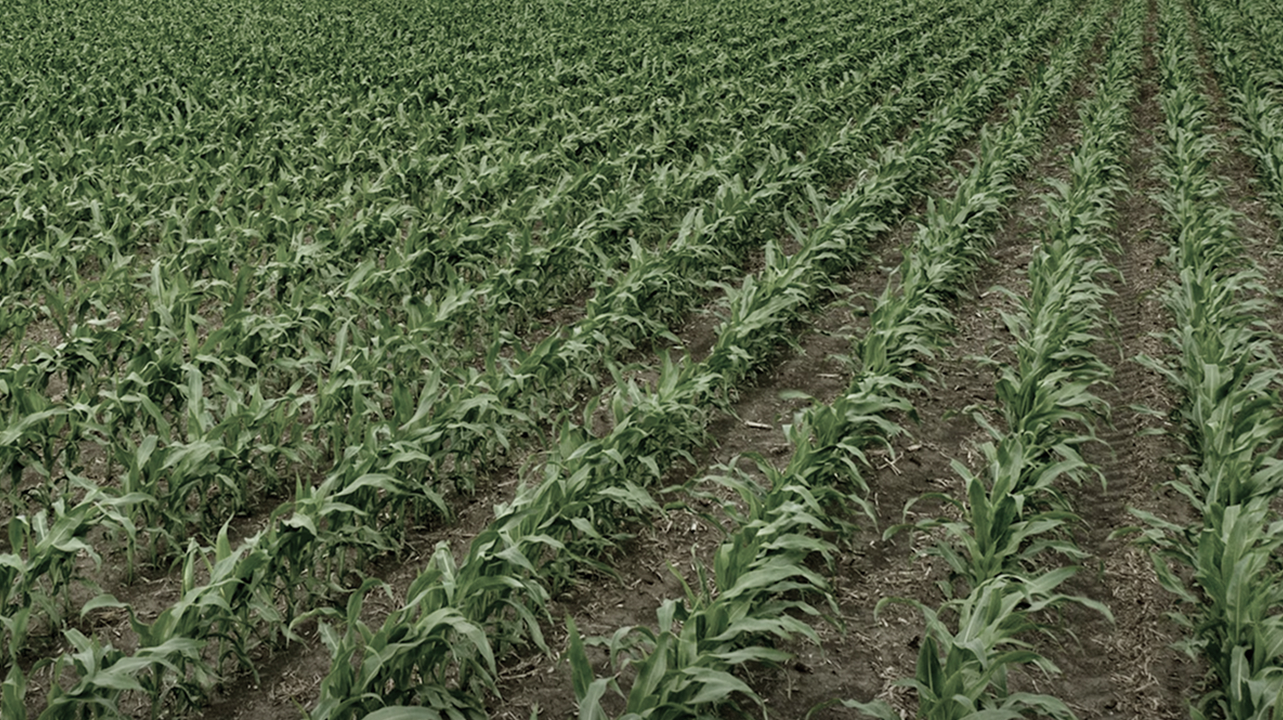
Soil is the world’s second largest carbon sink, but modern agricultural practices have depleted its natural carbon reserves. The Rootella Carbon project seeks to rectify this issue through use of biological soil amendments to capture carbon in the soil. Under Verra’s VM0042 Improved Agricultural Land Management methodology, growers apply Rootella, a mycorrhizal fungal inoculant (biological soil amendment), to agricultural lands consistent with the methodology and climatic and soil conditions.
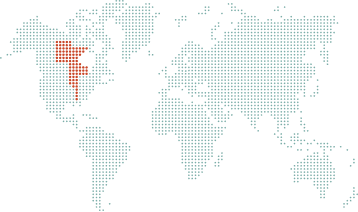
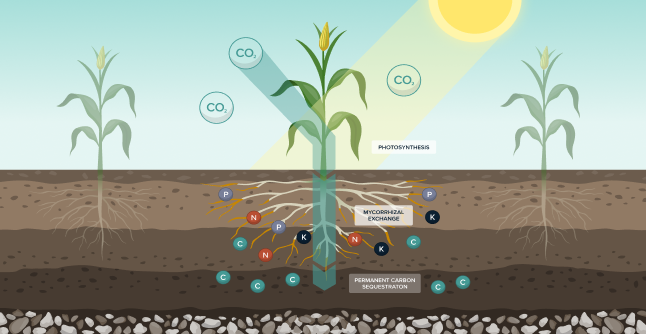
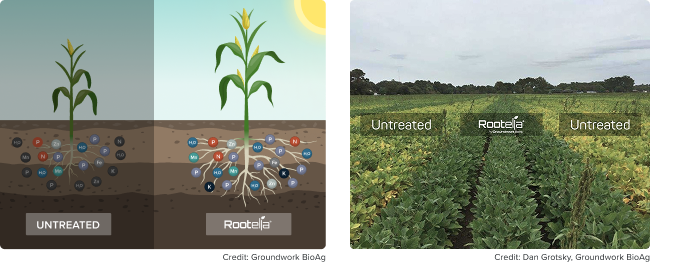
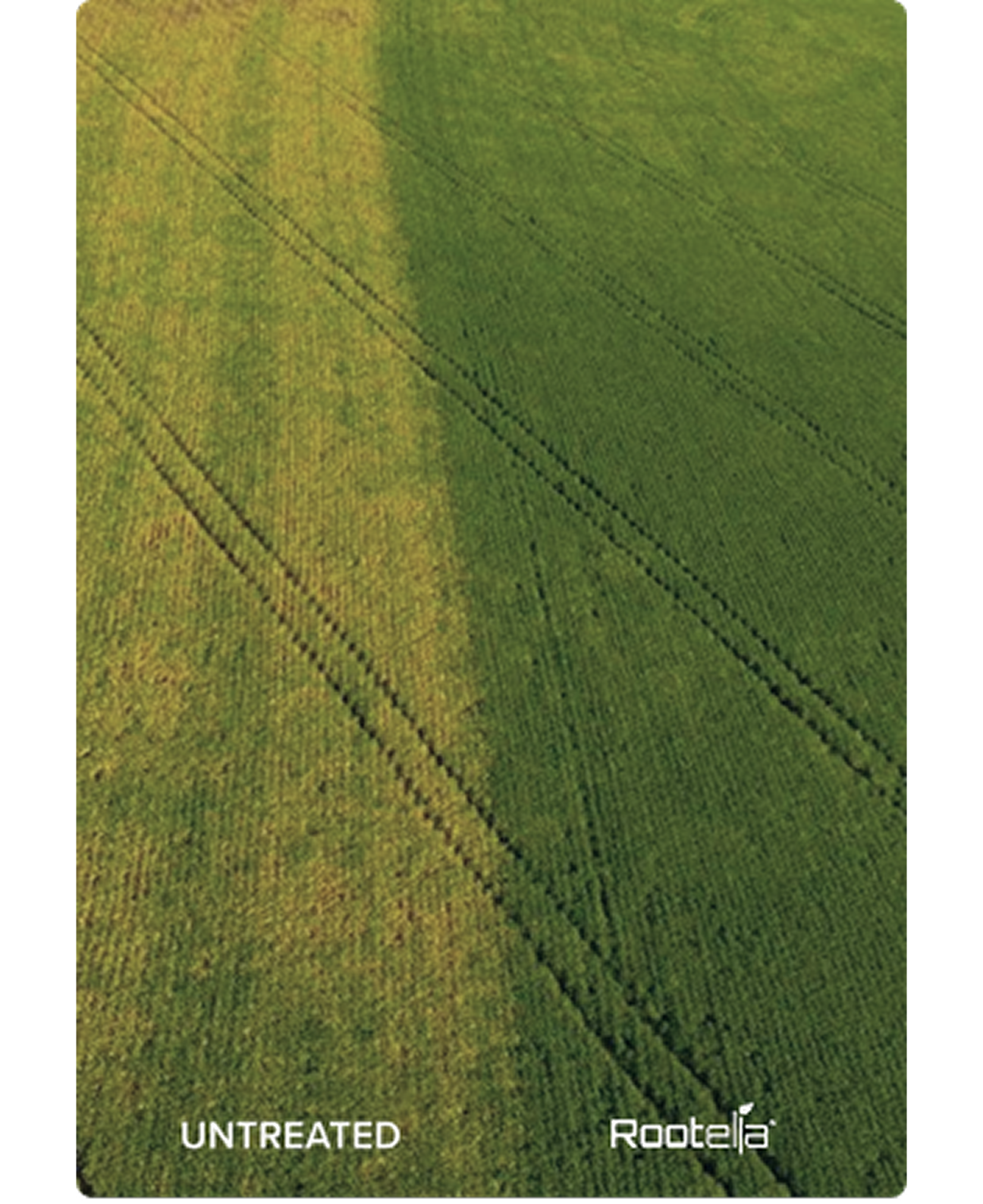
Mycorrhiza is a symbiotic relationship between fungi and plant roots whereby carbon-based sugars are transferred from roots to the mycorrhizal fungi. In turn, the mycorrhizae bind most of the carbon they receive to minerals in the soil, resulting in carbon removals with durability from centuries to millennia. In addition to the carbon benefits, mycorrhizal inoculants increase crop yield by ~5-15% and reduce the need for phosphorus fertilizers by up to 50%. The pool of growers participating in the carbon project collectively receives up to 70% of the net proceeds from carbon credit sales, further incentivizing climate action and economic benefits to growers allowing for continued enrollment and scaling. Over 700,000 acres of farmland are already enrolled in the project, with expectation of rapid scaling. Beyond the carbon story, Rootella delivers meaningful co-benefits that strengthen its appeal in a scrutinized market. The project aligns with five UN SDGs, making it well suited for buyers seeking credits with demonstrated social and environmental impact alongside robust CDR credentials.
Durability
Binding Geology with Biology
Rootella Carbon leverages mycorrhiza: a powerful natural symbiosis between plant roots and beneficial mycorrhizal fungi. When plants photosynthesize, they produce carbon-rich sugars. As these sugars are absorbed by the mycorrhizal fungi, the fungi deliver nutrients to the plant. In addition to increasing nutrient uptake and absorption, the mycorrhizae deposit dissolved organic matter that form covalent bonds with mineral surfaces producing carbon-rich, stable, highly durable Mineral-Associated Organic Matter (MAOM).
Additionality
The project would not take place without the revenue from the carbon project. Under the Verra protocol, additionality is determined using a three-pronged approach: regulatory surplus, common practice and barrier analysis. There are no regulatory requirements to utilize biological soil amendments in the US or Canada. Comparison with the most recent USDA Census of Agriculture finds that growers have a less than 20% adoption rate of integrated agricultural land management practices, thus making the project activity not a common practice.
Significant social and financial barriers inhibit the adoption of this practice without carbon revenue. Amongst growers in North America, there is resistance to changing practices and skepticism of the benefits. Financial incentives are often viewed as more important than agricultural and environmental benefits. Although there are long-term yield impacts, biological soil amendments are currently used predominantly as an insurance mechanism in stress years to increase a grower’s return on investment. The carbon revenue from the project is necessary to incentivize growers to adopt integrated agricultural land management practices; without this revenue to fund the high cost of developing the project and incentivizing behavioral change, the project would not be feasible.
Monitoring
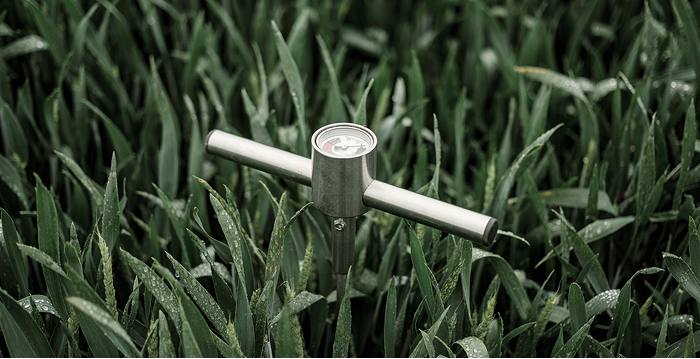
Monitoring is conducted using a measure and remeasure methodology, carried out by Groundwork BioAg and its technical partners, including soil samplers and soil laboratories. For every plot of land included in the project, approximately 20% is left untreated as control plots for comparability. Soil Organic Carbon is measured yearly on both the treated and untreated plots. Additionally, growers utilize the Rootella Carbon Software Platform which tracks significant events and historical agricultural land management data, including fertilization rates, crop yields, residue management, tillage practices and emissions.
Permanence
Verra's project-level permanence measures are designed to minimize reversals and ensure that SOC is left undisturbed throughout the monitoring period. This project contributes 21% to a buffer pool in case of reversal due to natural disturbances or anthropogenic sources such as tillage. In addition, the sequestered carbon has been shown to remain stable in soil even when disturbances occur. The project permanence is therefore conservative. The VM0042 methodology requires a minimum of 40 years, though the methodology as written cannot express permanence beyond that threshold even where the science supports it. Groundwork is generating field-based data that showcases the rapid accumulation of MAOM, aiming to establish that a significant fraction of SOC will remain sequestered for centuries, if not millennia. Groundwork is continuing to develop this evidence base and is working with Verra to establish a formal removal classification with century-scale permanence for all issued credits, as part of a broader engagement on credit classification standards.
Growers participating in the project receive revenue through a revenue share model. Payment amount, based on the revenue share model, takes into account the carbon credit market price and net carbon sequestration rates, both on individual farms and as an average across the project area. The aggregated pool of growers receives up to 70% of the net carbon credit proceeds under this model, incentivizing the continued application of Rootella and participation in the program.
Project Impacts
Sustainable Development Goals in action



Anew Climate & Groundwork BioAg Partnership
Anew Climate is partnering with Groundwork BioAg to catalyze durable carbon removals through nature-based solutions on farms across North America.
Anew Climate is a global leader of diverse climate solutions built on the principles of transparency and accountability. We are the largest developer and provider of carbon credits in North America and bring innovative products and services to the public and private sectors to help reduce or offset their carbon footprints, restore the environment, and ensure our clients' investments create economic value as well as durable climate impact.
Groundwork BioAg is a global bioagriculture company producing highly concentrated, cost-effective mycorrhizal inoculants that tackle the twin challenges of food security and climate change. Backed by decades of R&D, they were the first to achieve scalable production of mycorrhizal inoculants or both agriculture and durable carbon dioxide removal (CDR). Their Rootella® products enhance yields, improve soil fertility, and accelerate permanent carbon sequestration across millions of hectares worldwide.
Explore more projects