Bulgarian Sustainable Farming Carbon Project

Transforming Bulgarian farms to build soil carbon and cut emissions.
The Bulgarian Sustainable Farming Carbon Project is a scalable regenerative agriculture initiative supporting the transition of conventional cropland toward climate-smart practices in Vidin and Pleven provinces. The program incentivizes farmers to adopt improved land management that boosts soil organic carbon and cuts emissions from fertilizer and operations, including no-till or minimal tillage, cover cropping, reduced fertilizer use, and optimized farming systems.
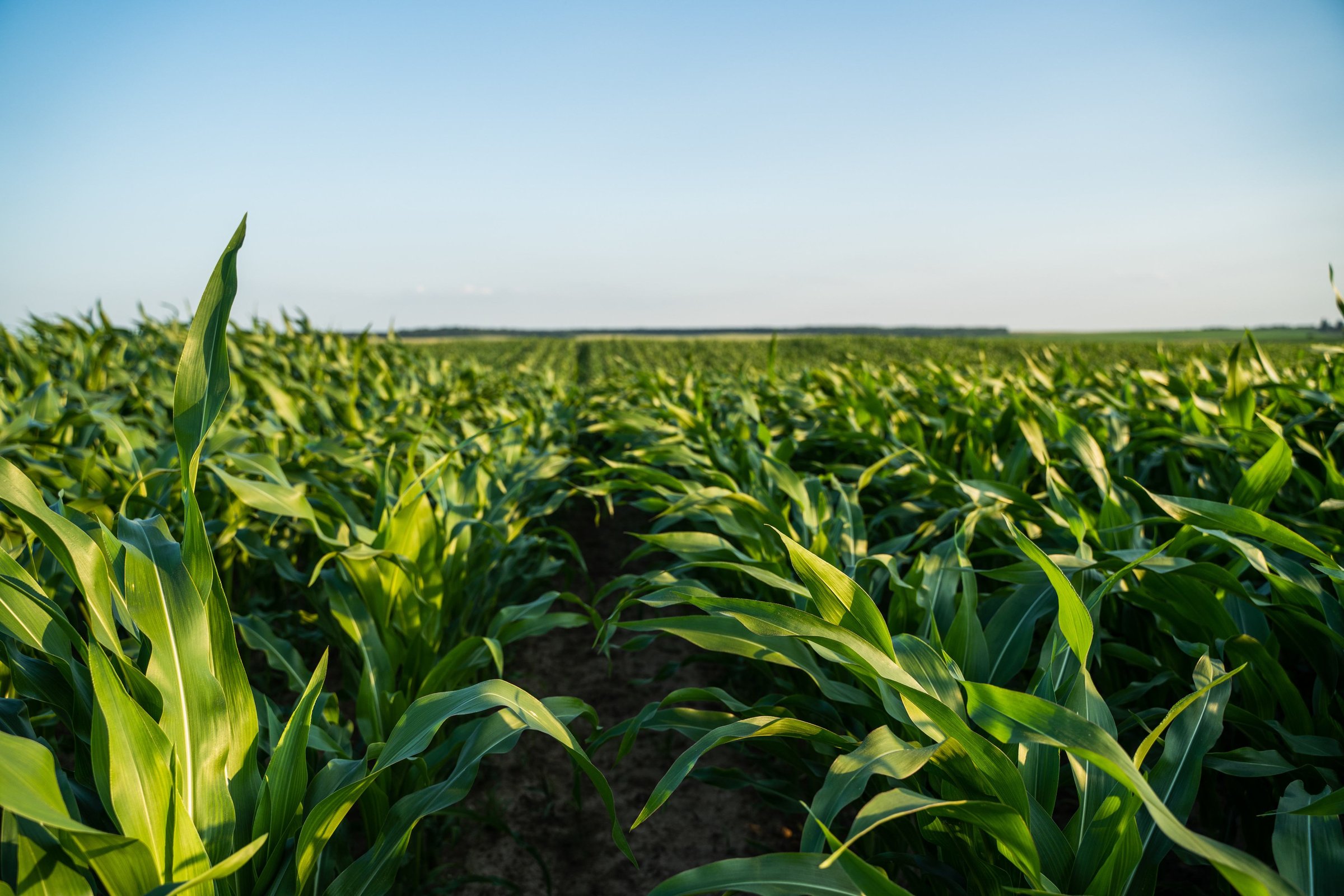
The project runs as a grouped program under Verra VCS VM0042, enrolling multiple farms with unified monitoring. Participating farms grow grains like wheat, corn, sunflower, rapeseed, and barley. The current commercial phase covers 8,982 hectares, with potential to scale up to 500,000 hectares over a 40-year period. Verified by One Carbon World Ltd, the project delivers approximately 50% removals and 50% conservation credits, while improving soil health, water retention, and farm resilience in Bulgaria.

Project Activities & Carbon Removal Mechanism
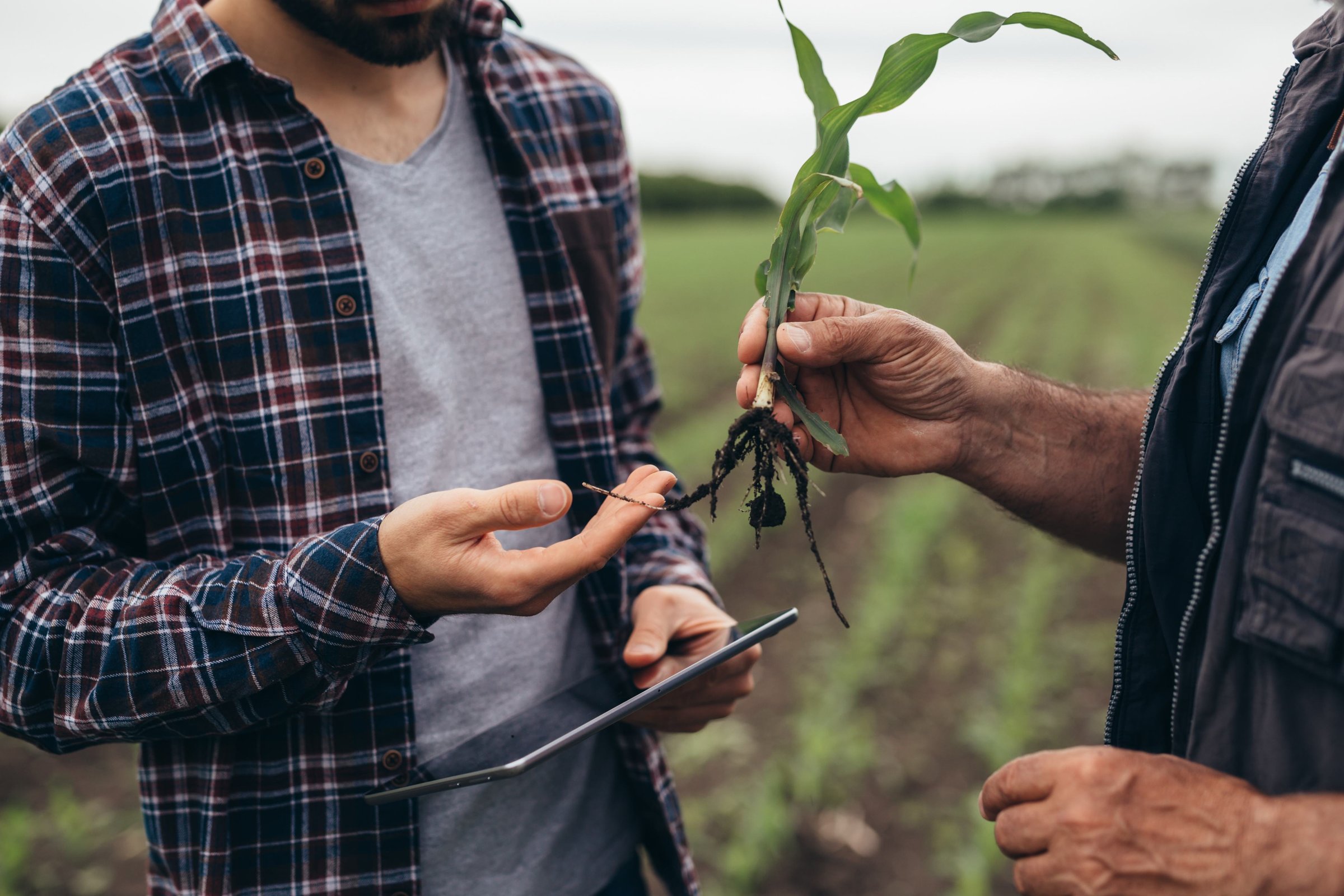
The project implements a suite of regenerative and improved cropland management practices designed to enhance soil health, increase soil organic matter, and reduce greenhouse gas emissions from agricultural operations.
Key practices include:
- No-tillage or minimal tillage to reduce soil disturbance
- Use of cover crops to maintain soil cover and prevent erosion
- Implementation of information systems to optimize farming activities
- Tailored recommendations for cover crops and land management
- Optimization of farming techniques to improve soil health and productivity
- Reduced fertilizer use
Additionality
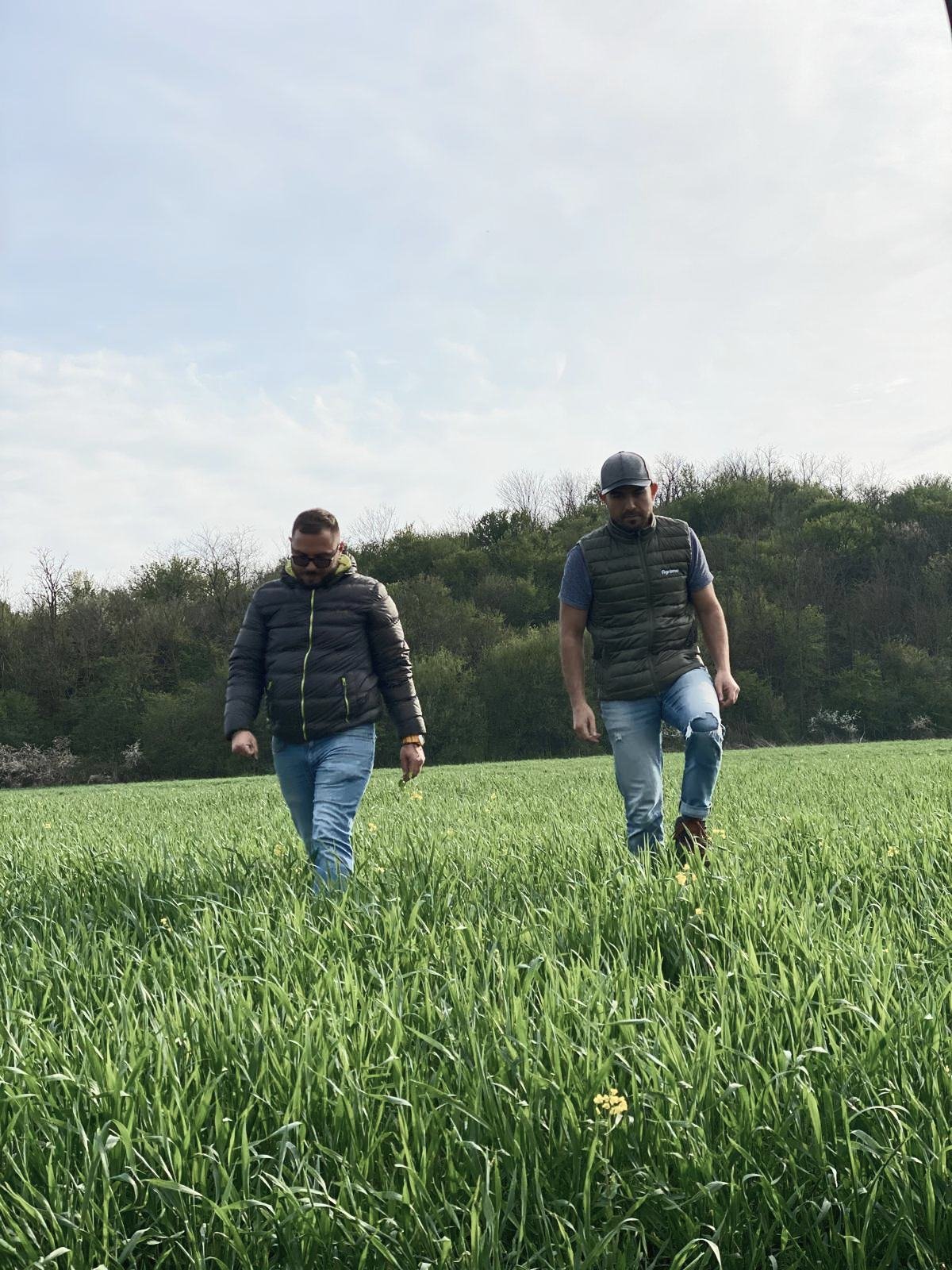
The project demonstrates additionality through regulatory surplus, common practice analysis, and barrier tests under Verra. The Bulgarian Sustainable Farming Carbon Project generates GHG benefits from improved practices that would not happen in the baseline without program support. Additionality is shown by no legal requirements, low common adoption, and barriers like costs, operations, and transition risks. Farmers face high costs for new equipment, more management complexity, yield variability risks, and limited agronomic support. The project overcomes these with technical guidance, information systems, and carbon revenue to make regenerative practices viable. Without this, systematic no-till, cover crops, and reduced fertilizer would stay limited across Bulgarian farms. By linking climate outcomes to farmer economics, it creates a path beyond business-as-usual.
Baseline Scenario
Under the baseline scenario, participating farms would continue conventional intensive agricultural practices: regular tillage, limited cover crops, higher fertilizer use, and reliance on standard systems. This business-as-usual would result in lower soil organic matter, more disturbance, and less long-term resilience. The project shifts to regenerative systems that improve soil health and sustainability.
Common Practice: Conventional farming remains dominant in Bulgaria. While awareness of regenerative and conservation agriculture is growing, widespread adoption of no-till, cover cropping, and integrated soil health management is limited. The full set of project practices is not typical without program incentives.
Financial and Operational Barriers: Farmers face significant financial and operational barriers to adopting regenerative practices, including costs associated with new equipment and farm system adjustments, increased management complexity, transition risks related to yield variability, and limited access to tailored agronomic support and decision tools. The project provides technical guidance and systems designed to reduce these barriers and enable broader adoption of regenerative practices.
Monitoring, Reporting and Verification (MRV)
The project applies VM0042 v2.2 quantification using a measure and re-measure approach, combining soil sampling (1 sample per 20 ha with stratification), lab measurements, traceable farm data, and a centralized system, validated by One Carbon World Ltd.
Non-Permanence and Risk Management: Permanence is addressed through the Verra AFOLU standard, with risk assessed using the Non-Permanence Risk Tool (NPRT), including mechanisms for identifying non-conformities and maintaining records to minimize reversal risk.
Regulatory Surplus: There are no regulatory requirements in Bulgaria or under European Union law that mandate the adoption of the practices implemented under this project.
Scalability & Growth Potential
The project is designed to scale by enrolling additional farms and expanding the total project area. The current commercial phase covers 8,982 hectares, with capacity to grow significantly as more farmers adopt regenerative practices, supporting long-term climate impact across Bulgaria.
Safeguards & Stakeholder Engagement: The project is designed for no net harm and positive environmental and social outcomes, with stakeholder engagement conducted directly with participating farmers, including safeguards for compliance with laws, environmental standards, and best practices for sustainable land management.
Co-Benefits: The project delivers a range of environmental and socio-economic co-benefits:
- Improved soil fertility and structure
- Enhanced water retention and reduced erosion
- Increased resilience to climate variability
- Sustainable productivity support
- Stronger local agricultural systems and rural economies
Project Impacts
Sustainable Development Goals in action
A universal blueprint for a better world—Anew is helping deliver on the United Nations global vision for social, economic, and environmental sustainability.
Zero Hunger
Supports sustainable agricultural productivity and food security through healthier soils.
Decent Work and Economic Growth
The project activities increase crop yield and reduce crop vulnerability in times of extreme stressors. This increase in productivity and nutrient uptake leads to greater availability of calorie- and nutrient-rich food, helping to reduce hunger.
Industry, Innovation and Infrastructure
Use information systems and optimized techniques for modern farming.

Climate Action
Through the adoption of regenerative practices that sequester soil carbon and reduce greenhouse gas emissions, the project contributes directly to measurable climate mitigation outcomes.
Life on Land
Improves soil health, reduces erosion, enhances biodiversity on farmland.