

The European Commission's July 2026 proposal to revise the EU Emissions Trading System (EU ETS) sets out plans to expand the inclusion of the maritime sector in the EU ETS. Alongside FuelEU Maritime, the revision introduces a new instrument specifically designed to help shipowners close the cost gap between conventional bunker fuel and cleaner alternatives: the Sustainable Maritime Alternative Propulsion (SMAP) mechanism.
What SMAP Is Supposed to Do
The main goal behind the SMAP mechanism is to address two key barriers to maritime decarbonization: the limited availability of renewable fuels and their higher cost compared with fossil fuels. SMAP is a funding mechanism, not a new compliance obligation. It is designed to reinvest part of the revenues generated under the EU ETS into shipping decarbonization. Under the current proposal, up to 110 million EU ETS allowances would be reserved between 2028 and 2040, generating a fund of roughly EUR 10 billion. That capital would flow back into the shipping sector specifically to support the switch to sustainable marine fuels and alternative propulsion technologies. It is important to note that SMAP is still being developed and the mechanism is not yet finalilzed.
In practice, this means part of what the maritime sector already pays into the ETS would be redirected to the transformation of the shipping industry, making compliance with FuelEU Maritime and the ETS itself more affordable.
The mechanism is technology-neutral by design, covering a broad span of emission-reduction solutions: sustainable fuels, battery-electric propulsion, and wind-assisted systems. For most deep-sea and short-sea operators today, fuel-switching provides the clearest near-term compliance impact. SMAP's funding to bridge the premium for low carbon fuels, biofuels and Renewable Fuels of Non-Biological Origin (RFNBOs) could provide a clear investment signal, including for solutions that support long-term pathways to maritime decarbonization.
The Detail That Matters for Fleet Planning: Scope Extension to 400–5,000 GT
Alongside the introduction of SMAP, the proposal would extend EU ETS coverage to vessels between 400 and 5,000 gross tonnage aiming to create more of a level playing field across the maritime sector. If your fleet includes smaller vessels currently outside ETS scope, this is the part of the proposal to flag internally first — it changes who becomes compliance-obligated, not just how compliance is funded. Operators running feeder vessels, coastal shipping, or smaller specialized tonnage should treat this as a planning trigger.
What This Means for Your Compliance Cost Curve
The proposal does more than impose a carbon price on shipping. The most concrete number in the proposal, from a shipowner's perspective, is this: for advanced biofuels and biogas, SMAP is designed to cover up to 55% of the residual cost gap versus conventional marine fuels. Although the list of marine fuels is yet to be finalized, Bio-LNG and biomethane can be expected to be eligible.
That matters because it changes the economics of a decision many shipowners are already weighing — whether to switch part of their fuel mix now, or wait. A subsidized cost gap doesn't just lower near-term compliance costs; it also improves financing conditions for any fuel-switching investment and, per the proposal, is intended to align more closely with FuelEU Maritime rather than layering two disconnected compliance systems on top of each other.
Why Bio-LNG Is Worth Prioritizing in That Conversation
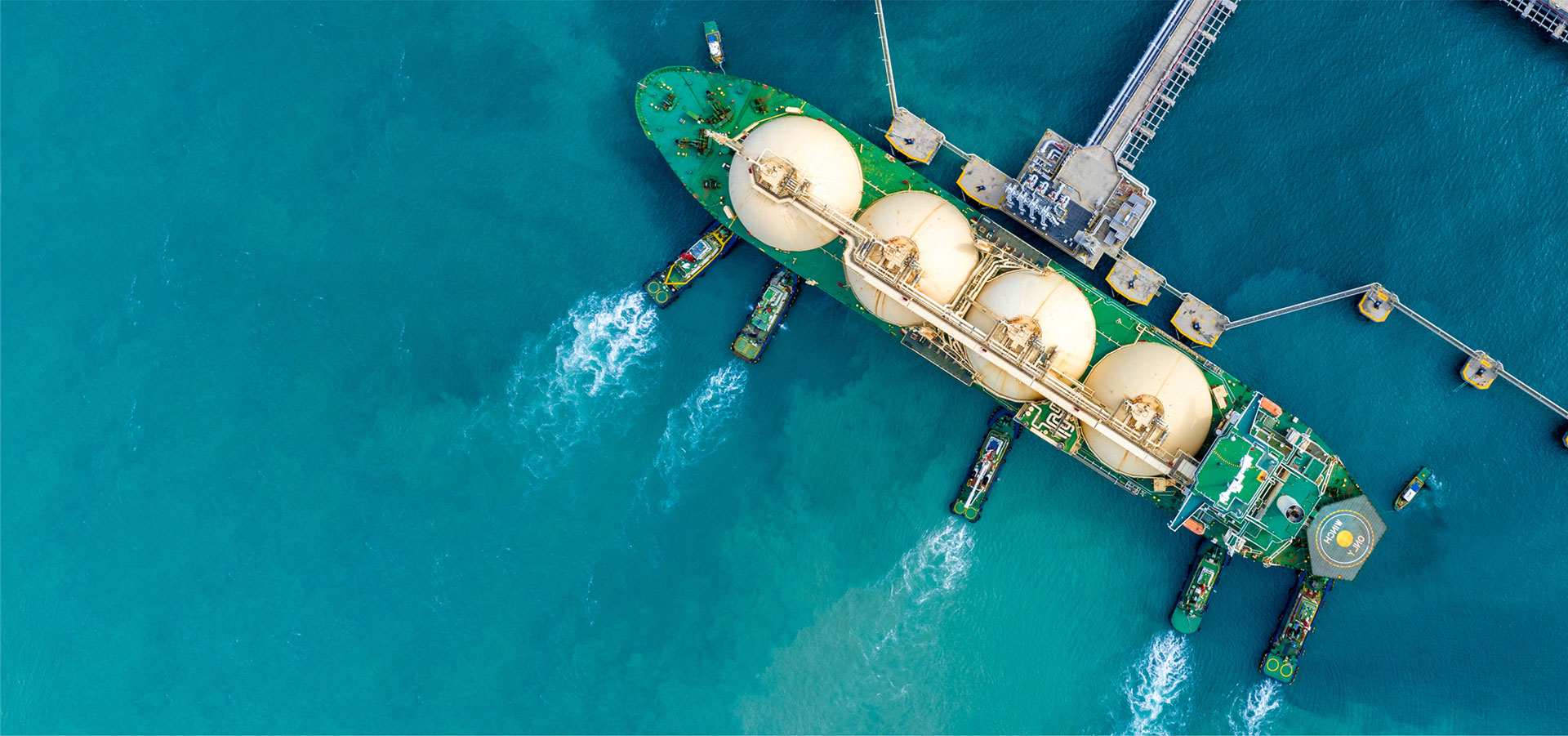
Among the fuel pathways SMAP is designed to support, Bio-LNG deserves particular attention because it sits at the intersection of regulatory ambition and operational reality. For vessels already running on LNG or dual-fuel engines, it is not a distant technology bet but a drop-in pathway that can use existing propulsion systems and bunkering infrastructure. That makes Bio-LNG one of the few decarbonization levers available to parts of the fleet today — at a time when shipowners need options that can reduce emissions without waiting for a full technology or infrastructure transition. By improving the competitiveness of renewable marine fuels, SMAP could therefore do more than lower a cost gap: it could enforce Bio-LNG, biomethane, and accelerate advanced biofuels investments at scale.
This is why the proposed long-term support framework matters beyond annual compliance planning. If implemented effectively, SMAP could give shipowners, fuel suppliers, and project developers a clearer basis for long-term decisions: greater investment certainty, better financing conditions for marine fuel projects, and a more coherent regulatory bridge between the EU ETS and FuelEU Maritime. For Bio-LNG, the strategic implication is clear: the pathway is not only technically ready, but increasingly positioned within the policy architecture needed to scale.
What This Means for Biomethane Production
The demand-side case above has a direct mirror on the supply side. For producers and suppliers of biomethane, Bio-LNG, and advanced biofuels, SMAP represents a major opportunity. Biomethane and Bio-LNG producers using sustainable waste and residue streams are positioned as primary beneficiaries. A cost-gap subsidy that makes Bio-LNG more attractive to shipowners also means clearer offtake demand and stronger project economics on the production side, since it narrows the price gap producers currently have to absorb or discount to compete with fossil bunker fuel.
This is why SMAP’s design should consider Bio-LNG as part of a balanced decarbonization toolkit as the mechanism takes shape — not as a competing priority to energy efficiency, wind-assisted propulsion, electrification, or other sustainability measures. Its ability to deliver significant emissions reductions while using existing infrastructure and vessel fleets makes it a practical near-term option within that toolkit. SMAP's phased 2028–2040 rollout could then reward producers who build offtake relationships with shipowners early, ensuring supply is ready to scale as supported demand materializes rather than only once the mechanism is fully operational.
Regional Bio-LNG production also carries a case independent of SMAP: it strengthens Europe's energy security, reduces reliance on fossil fuel imports, and supports local value chains — while the use of sustainable waste and residue feedstocks generates additional environmental benefits by reducing emissions and making efficient use of existing resources. With an expected funding volume of around EUR 10 billion, SMAP would, for the first time, channel a substantial share of ETS revenues directly into shipping's decarbonization — an important step forward for both sides of the fuel-switching equation.
What's Still Open
The proposal isn't final, and a few points are worth tracking as it moves through negotiation:
- Feedstock eligibility. SMAP support, as drafted, appears weighted toward fuels made from feedstocks listed in Annex IX Part A of the Renewable Energy Directive. Fuels from used cooking oil (UCO) and animal fats (Annex IX Part B) could fall outside eligible support. If you're evaluating long-term supply agreements, it's worth confirming feedstock classification with your supplier rather than assuming all "advanced biofuel" volumes qualify equally.
- Interaction with international frameworks. The proposal aims to address potential double-counting between EU mechanisms and international systems like the IMO's. Worth watching for shipowners with mixed EU/international routes as IMO frameworks are still in the works as well.
Where This Leaves Shipowners
SMAP, if adopted broadly as proposed, would be the first EU ETS mechanism to channel meaningful revenue directly back into the cost of maritime decarbonization, rather than treating shipping purely as a compliance line item. For shipowners with LNG-capable tonnage, it's a strong argument for evaluating Bio-LNG now rather than waiting for full regulatory clarity — the fuel pathway is proven, available today, and positioned to benefit directly from the funding structure under discussion.
If you're assessing how bio-LNG could fit your fleet's compliance strategy under EU ETS and FuelEU Maritime — now or as SMAP develops — our team is happy to talk through supply options and timelines.