Kootznoowoo Forestry Project
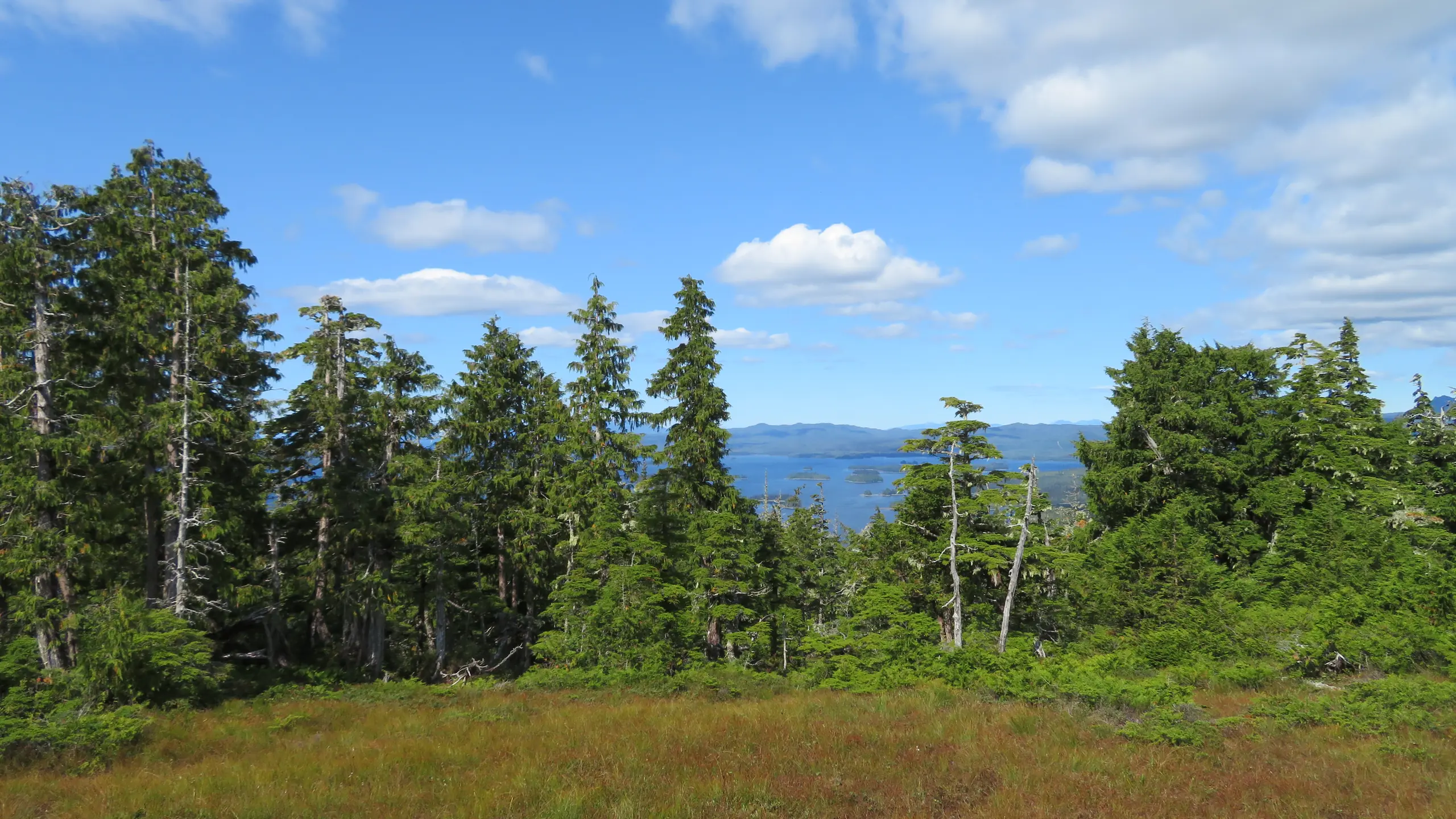
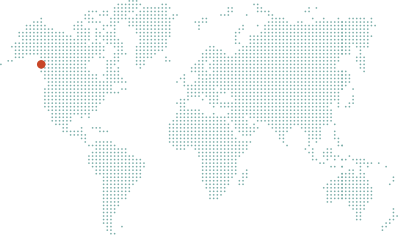
Halting commercial timber harvests across 19,856 acres of Native-owned temperate rainforest on Prince of Wales Island, Southeast Alaska.
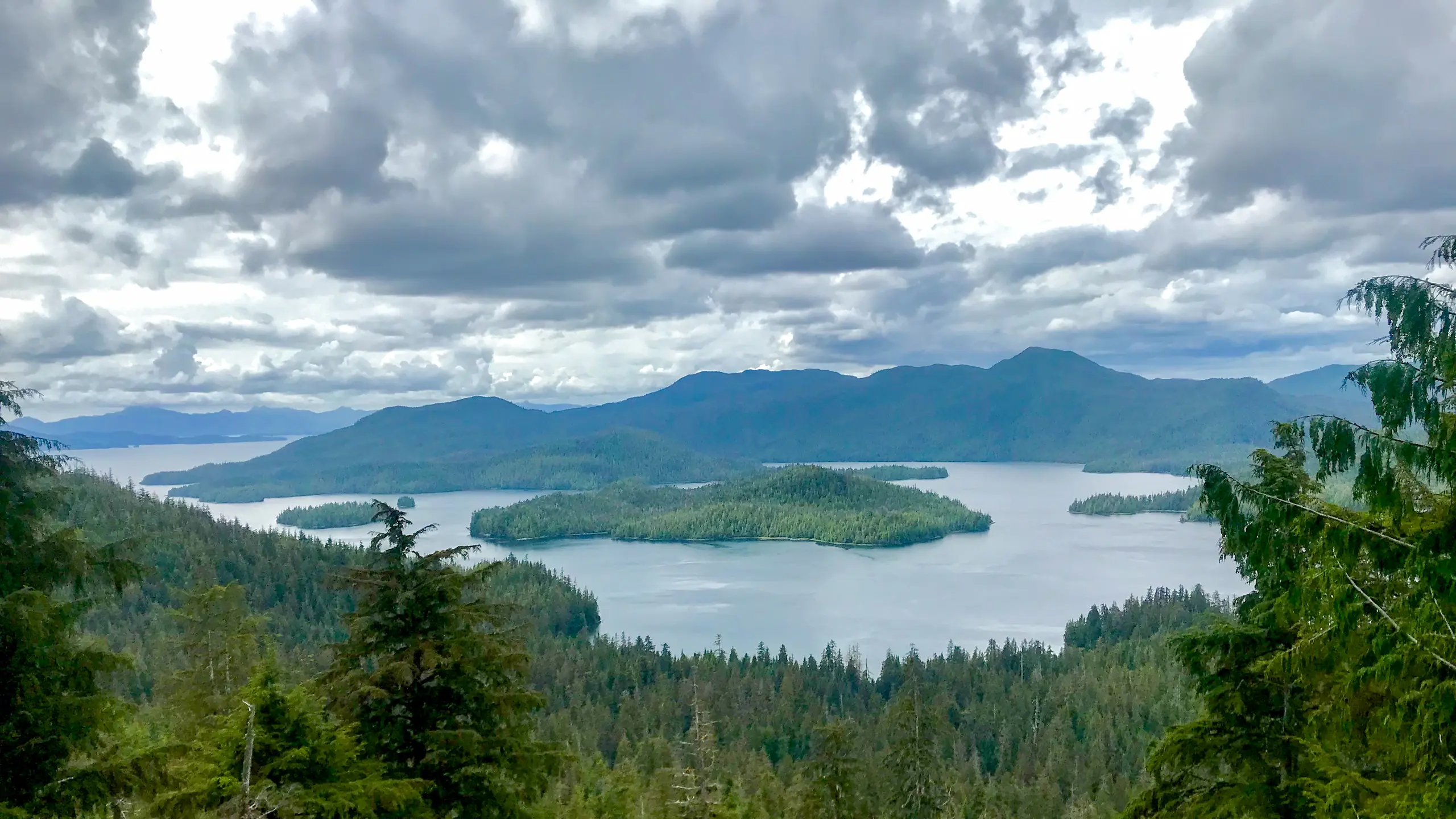
The Kootznoowoo Forestry Project is an Improved Forest Management (IFM) project on 19,856 acres of western hemlock-Sitka spruce and western redcedar-hemlock forest on Prince of Wales Island, Southeast Alaska. The surface and timber rights are owned by Kootznoowoo, Inc., an Alaska Native corporation owned and managed by Alaska Native shareholders, whose property saw increasingly aggressive harvesting into the 1990s.
With the carbon project in place, Kootznoowoo is halting all commercial harvesting to focus on uneven-aged management and understory pruning that improve conditions for wildlife. Registered with the American Carbon Registry, the project is expected to deliver more than 1.5 million tonnes of CO₂ emissions reductions over its first 20 years. Carbon revenue also directly supports the Native population of about 500 living in the village of Angoon through job and scholarship opportunities.
Additionality
The Anew - Kootznoowoo Native Community Forestry Project is located on 19,856 acres of western hemlock-Sitka spruce and western redcedar-hemlock forests in Prince of Wales Island, Southeast Alaska. The surface and timber rights are owned by Kootznoowoo, Inc., a for-profit, Alaska Native Claims Settlement Act (ANCSA) corporation owned and managed by Alaska Native shareholders with the mission to “manage its lands to provide economic benefits to shareholders and descendants, while fostering their cultural identity.” The subsurface estate is owned by Sealaska, the ANCSA regional corporation and the largest private forest owner in Southeast Alaska, which has been practicing intensive silviculture forest management on its lands for decades. Given the joint property ownership and mission alignment, Kootznoowoo has entered a Silviculture Agreement with Sealaska Corporation for the management of these forests.
Before colonialization, Indigenous communities, such as the native Haida and Tlingit people, relied on these forests for subsistence. The forests provided fuel and building materials for housing and transportation. From the 1940s to the 1970s, mill operations expanded in the region. After 1980, Native corporations began harvesting their private timberlands and exporting most timber to Japanese markets. Strong demand into 1990s resulted in increasingly aggressive timber harvest practices on the Kootznoowoo property, including high grading—wherein the largest, most economically valuable trees are removed without considering the future impact to the forest—and specialty logging of timber products for export to overseas markets. Regarding Kootznoowoo Inc.’s historical management practices, as described by one of their Board members, “the unspoken mandate was to maximize profits as much as possible. Operations were to accommodate market demand. We were more aggressive with harvesting trees when the demand was strong, and our sales records reflect that.”
More recently, there has been a shift in the desired land management philosophy of Kootznoowoo, Inc. to avoid aggressive timber management and maintain or enhance the ecosystem service benefits of the forestland. The carbon project will make this possible by generating necessary profits and distributions for the corporation’s native shareholders while easing the pressure to harvest more aggressively for timber revenues, which is what many tribal corporations end up doing in the face of budget shortfalls. With the carbon project in place, the Kootznoowoo Corporation is halting all commercial harvesting to focus on uneven aged management and understory pruning to improve conditions for wildlife. In addition to promoting forest growth and wildlife habitat across their land base, carbon revenue also directly supports the native population of about 500 living in the village of Angoon through job and scholarship opportunities among other initiatives.
Baseline Description
Baseline practices include pre-commercial thinning on overstocked second growth stands, harvesting merchantable timber on old growth stands, and clearcutting once stands exceed specific volume thresholds; all silvicultural prescriptions currently implemented in Southeast Alaska by the U.S. Forest Service, regional Native Corporations, and local private landowners. Currently, the Kootznoowoo project area is not subject to any forest management restrictions or easements, with the exceptions of regional fisheries best management practices (BMPs), which require a 66’ buffer surrounding anadromous streams. All applicable legal constraints associated with National, State and local laws, including the Federal Clean Water Act, the Federal Endangered Species Act, the Federal Bald and Golden Eagle Protection Act, the Alaska National Interest Lands Conservation Act, the Loggers Guide to the New OSHA Logging Safety Standards, and the Alaska Forest Resources and Practices Act, were considered and incorporated into the baseline as they would be required in the absence of the carbon project.
Regional Harvest Activities
A conservative baseline scenario considers not only what a landowner could do, but what a landowner plausibly would do in the absence of the harvest limitations associated with a carbon project. In the following map, Anew demonstrates actual recent harvests in the project area’s region. This data speaks to the strength of local timber markets and common management practices on forested properties of comparable size and ownership type—an integral piece in informing the accuracy and viability of assumptions in the baseline scenario.
Harvest Comparison
All harvests/forest losses larger than 5 acres that happened between 2001 and 2022 within a 60 mile radius from the project area are depicted in orange, showing the very real pressures on forests in the area. The carbon project ensures sustainable management on the project area for 40 years, twice as long as the period depicted below.
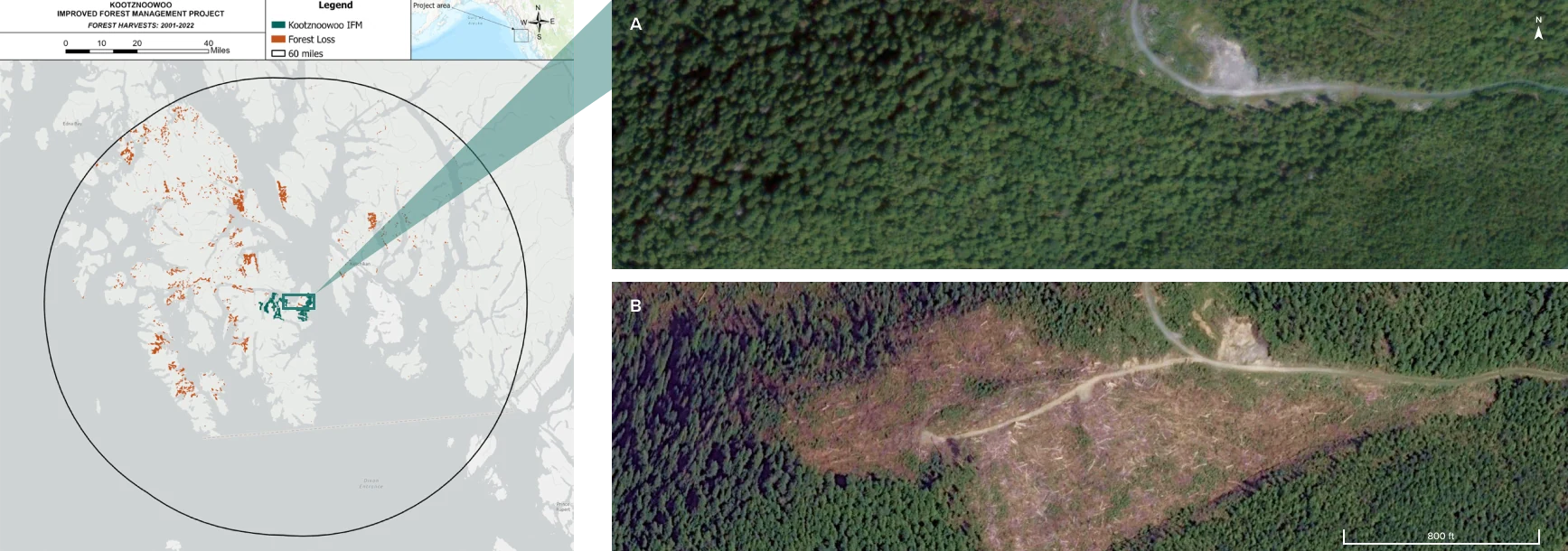
Hansen, M. C et al. “High-Resolution Global Maps of 21st-Century Forest Cover Change.” Science 342 (15 November 2013 & updates): 850–53. https://glad.earthengine.app/view/global-forest-change
Regional Mill Map
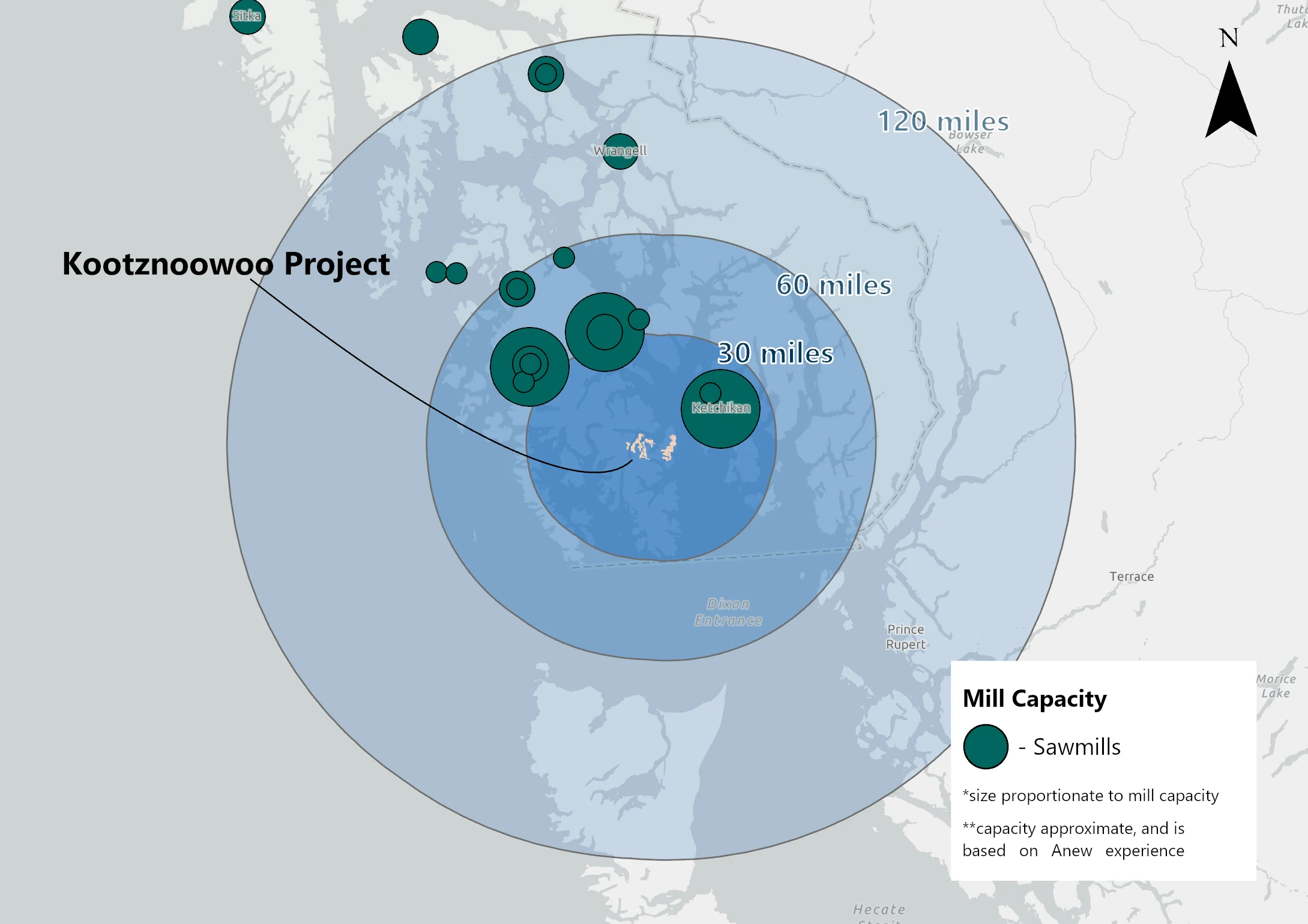
A strong understanding of local forest products infrastructure is key to building a realistic and conservative baseline scenario. To carry out harvests modeled in the baseline, a forest property must be within a feasible travel distance to active processing facilities. This map presents mills that are drivable from the project area along with their relative processing capacity, delineating a framework for a current or future landowner to move timber in the absence of the carbon project, thereby providing a critical piece of direct evidence to the credibility and additionality of the carbon credits resulting from the project’s activities.
Ecological Highlight
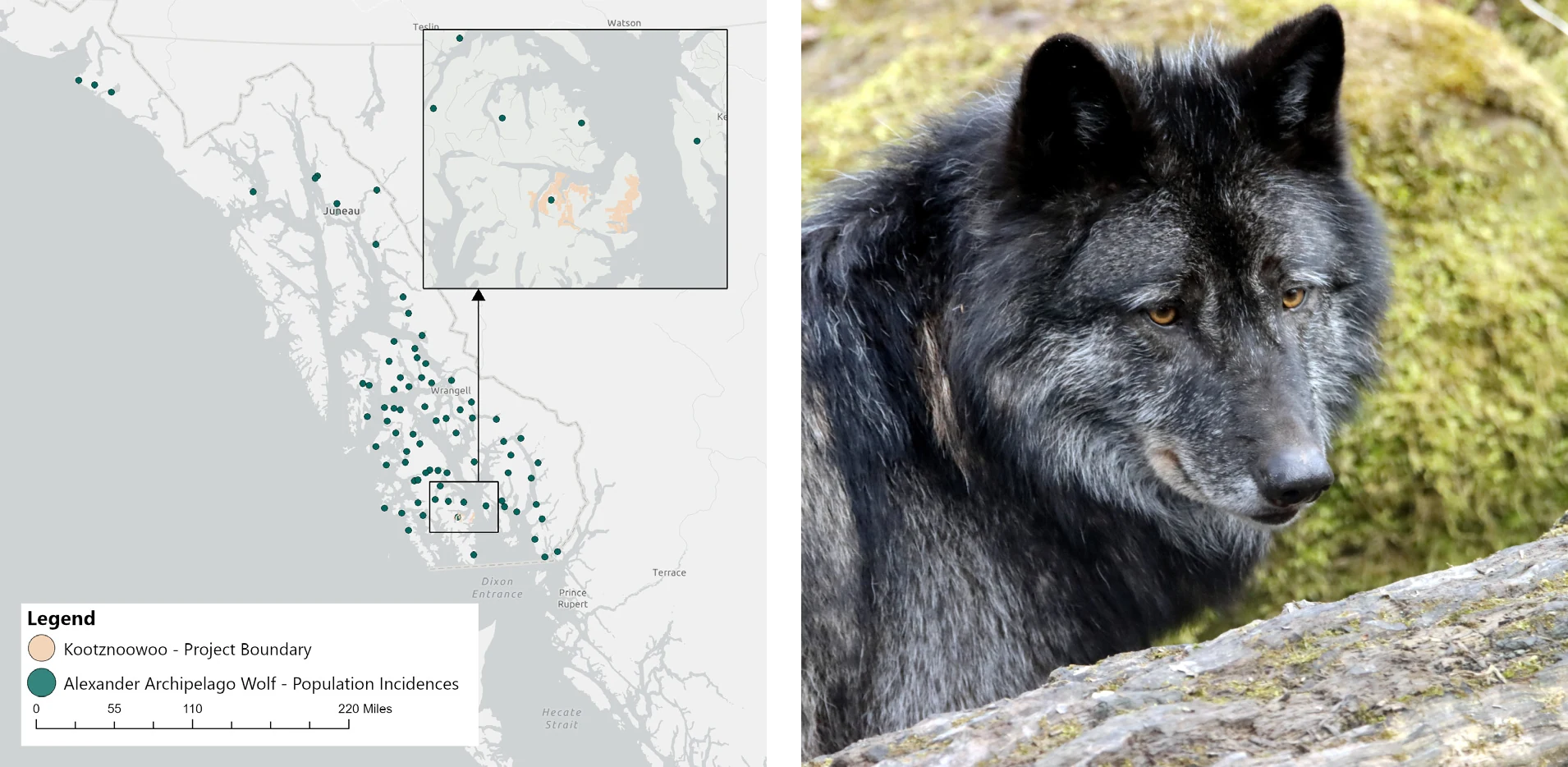
The Kootznoowoo project is situated on Prince of Wales Island, an important habitat for the Alexander Archipelago wolf (Canis lupus ligoni). Smaller and darker-colored than other Alaskan and Canadian wolf species, it is endemic to the island but threatened by human intervention including logging and land development. As a result, the Alexander Archipelago wolf has seen its population decline in most recent years. The wolf is primarily affected by the loss or fragmentation of old-growth forest habitat, which it utilizes both for shelter and as winter hunting grounds for its preferred prey, the Sitka black-tailed deer. As the Kootznoowoo project is located within the southern part of the wolf’s range, where historical old-growth logging has been substantial, there is a unique opportunity to protect habitat for these animals. By making a commitment to protect the old-growth forests which make up approximately 42% of the project acreage, the Kootznoowoo project helps to maintain the habitat required by this unique wolf species.
Project Impacts
Sustainable Development Goals in action
A universal blueprint for a better world—Anew is helping deliver on the United Nations global vision for social, economic, and environmental sustainability.
End Poverty
The carbon project will maintain public access to residents of Prince of Wales Island and Ketchikan for recreational hunting and gathering and to locals from Kasaan communities for subsistence. Income from the carbon project will be distributed to shareholders of the Kootznoowoo Corporation, who are predominately Tlingit Indian—a population with strong cultural ties to the area and that has historically struggled with poverty.
Clean Water and Sanitation
The Kootznoowoo project area is connected to various saltwater bodies, freshwater ponds, small lakes, streams, and other wetland resources. Maintaining and increasing forest cover on the landscape will protect these water resources, reduce soil erosion, and support water supply filtration.
Climate Action
The project scenario consists of managing the forestland for natural growth with no current or future commercial harvesting, and only non-commercial pruning for forest health and wildlife habitat improvement. Sustainable forest management ensures continued carbon sequestration and climate change mitigation.
Life Below Water
Kootznoowoo lands border much of the marine shoreline along Dora Bay and South Arm Cholmondeley Sound and contain significant fisheries resources, including anadromous streams. Two federally endangered wildlife species, the humpback whale and Eskimo curlew, migrate through the area, and Pacific herring spawns in the nearshore areas of Peril Strait. Maintaining coastal and stream riparian forest cover helps support healthy marine ecosystems while reducing the risks of human disturbance on species viability and migration patterns.
Life on Land
The property is home to a rare temperate rainforest, which contains a diverse array of ecosystem types, such as wetlands, beach fringes, forest ecosystems, alpine environments, and recently deglaciated lands. The abundance of high-quality habitat supports Sitka black-tailed deer, black bears, weasel, red fox, river otters, two federally threatened species (the Stellar Sea Lion and the Aleutian Canada Goose), and one species of concern (Northern Goshawk). As part of the carbon project, the Kootznoowoo Corporation is halting all commercial harvesting to focus on uneven aged management and understory pruning to improve conditions for wildlife.
How does IFM generate both removals and conservation credits?
Conservation Credits
Conservation credits account for climate benefit coming from the protection of the project area. Emissions that would have been released if the land was instead harvested in the absence of the project are quantified. Many of the co-benefits associated with forestry projects are inherently linked to the preservation of existing forest stands.
Removal Credits
As the newly protected trees grow, carbon is pulled from the atmosphere and sequestered in the trees’ wood material through the most proven direct air capture technology on the planet, photosynthesis.