Northeast Kingdom Forestry Project
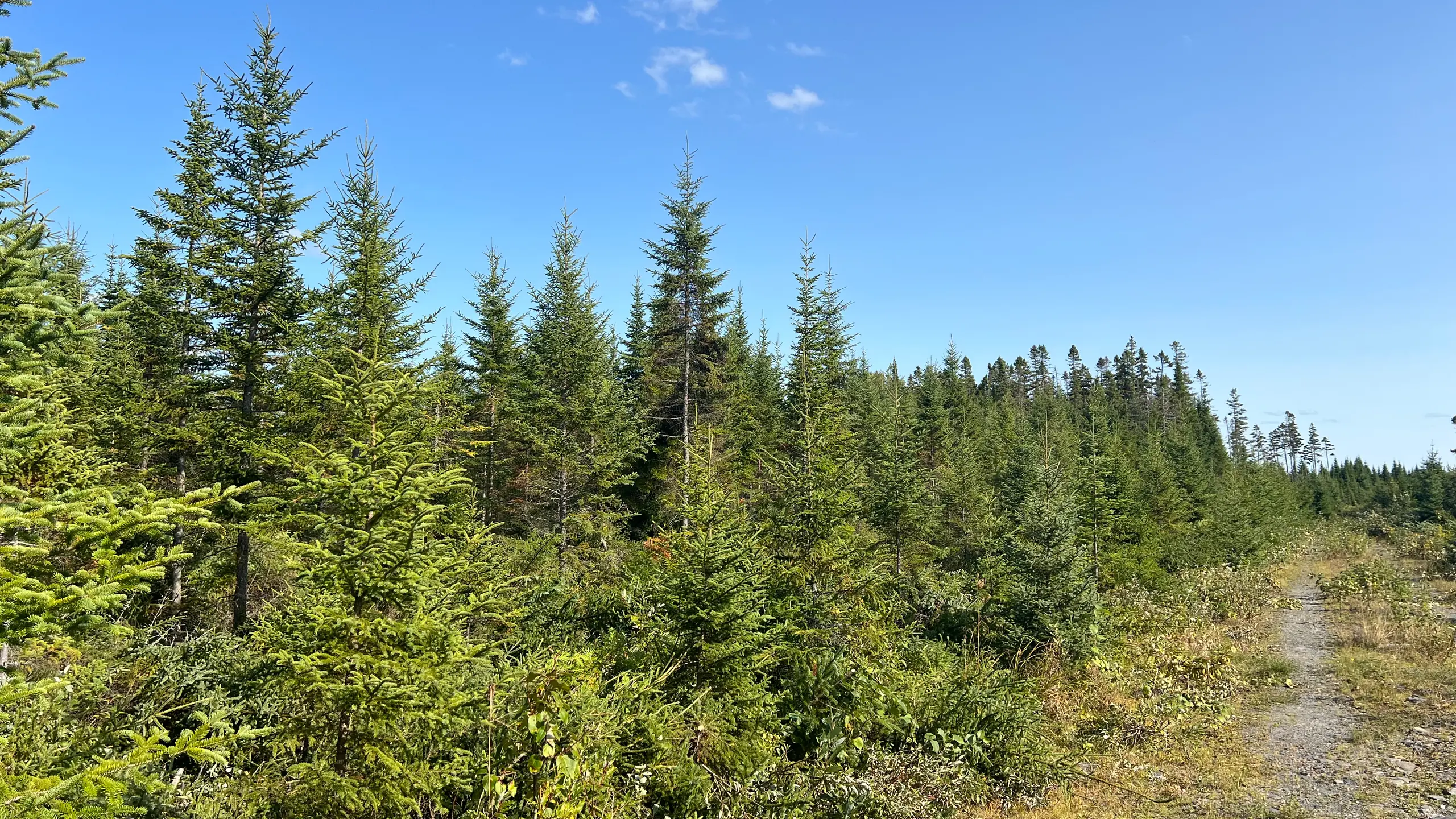
Lengthening harvest rotations and reducing harvest volumes across 10,210 acres of Northern Hardwood forest in northern Vermont and New Hampshire.
The Northeast Kingdom Forestry Project is an Improved Forest Management (IFM) project on 10,210 acres of Northern Hardwood forest in northern Vermont and New Hampshire. The property has historically earned revenue from maple syrup production, timber harvesting and renewable energy generation, and financial pressure at times led to harvests on rotations shorter than would be ecologically optimal.
Carbon revenue allows for lengthened harvest rotations, reduced harvest volumes and more sustainable management to promote forest health. Registered with the American Carbon Registry, the project is expected to deliver more than 492,000 tCO₂e of emissions reductions over its first 20 years. By easing harvest pressure, the project supports the older, continuous forests needed by the American marten, which is gradually repopulating the project areas.
Project Summary and Additionality
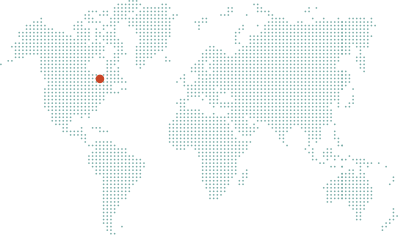
The Northeast Kingdom Forestry Project is located on 10,210 acres of Northern Hardwood forests in northern Vermont and New Hampshire. Historically, the property has produced revenue from a diverse collection of management activities, including maple syrup production, timber harvesting, and renewable energy generation, the latter two of which directly threaten forest stocks. Adding carbon revenue to this mix alleviates substantial pressure to harvest more aggressively and potentially sell off parcels for alternative land uses such as farming, commercial scale energy generation, or residential development. These alternatives are prevalent in the surrounding area and have led to extensive fragmentation of forestlands over recent decades.
Prior to the implementation of the carbon project, the landowner conducted commercial timber harvesting as a source of revenue and, at times, financial pressures were strong enough to motivate harvesting of forest stands on rotations shorter than would be ecologically optimal, but which created the necessary near-term income. However, revenues from the carbon project will allow for lengthened harvest rotations, reduced harvest volumes, and more sustainable management to promote forest health. Harvesting will be further reduced if the revenue generated from carbon out-competes potential earnings from traditional forest product markets. Carbon revenues will be used to help pay land managers, maintain the property for public recreational use, further expand maple syrup operations, make property improvements, and purchase additional forestlands for conservation purposes.
Baseline Description
Throughout the project’s geographic region, private forestland is heavily cut as the timber reaches viable diameter thresholds. In fact, a recent report of moderate and intensive timber clearings in New Hampshire found that more than 80% of cuts occurred on private land and that the amount of timber clearing has been increasing over time due to land being managed for timber production1 when trees reach merchantable diameter classes. The baseline scenario models harvest activities the landowner would need to undertake, in the absence of the carbon project commitment, in order to maximize the net present value of the forest asset without allowing the land to be converted to an alternative land use type.
The management regime in the baseline scenario was designed to incorporate all legal constraints applicable across the forest property, as the landowner would have needed to abide by these restrictions in the absence of the carbon project. These constraints include Vermont and New Hampshire Best Management Practices for protecting water quality during forest harvests, the required retention of forest for a known Peregrine falcon nest, the Bald Mountain Eco Buffer for protecting uncommon natural communities of vascular plant species, and a small easement on the property intended to prevent conversion of the forest to non-forestry use. Accounting for these harvest constraints ensures the project only receives credits for carbon sequestration beyond what would have occurred on the landscape had the project not been established.
1. Kosiba, AM and Duncan JA. 2019. Inventory of moderate and intensive timber clearings detected via remote sensing in New Hampshire between 2000 and 2018. Forest Ecosystem Monitoring Cooperative: South Burlington, VT. https://doi.org/10.18125/56igk7
Regional Harvest Activities
All harvests/forest losses larger than 5 acres that happened between 2001 and 2021 within a 60 mile radius from the project area are depicted in orange1, showing the very real pressures on forests in the area. The carbon project ensures sustainable management on the project area for 40 years, twice as long as the period depicted below.
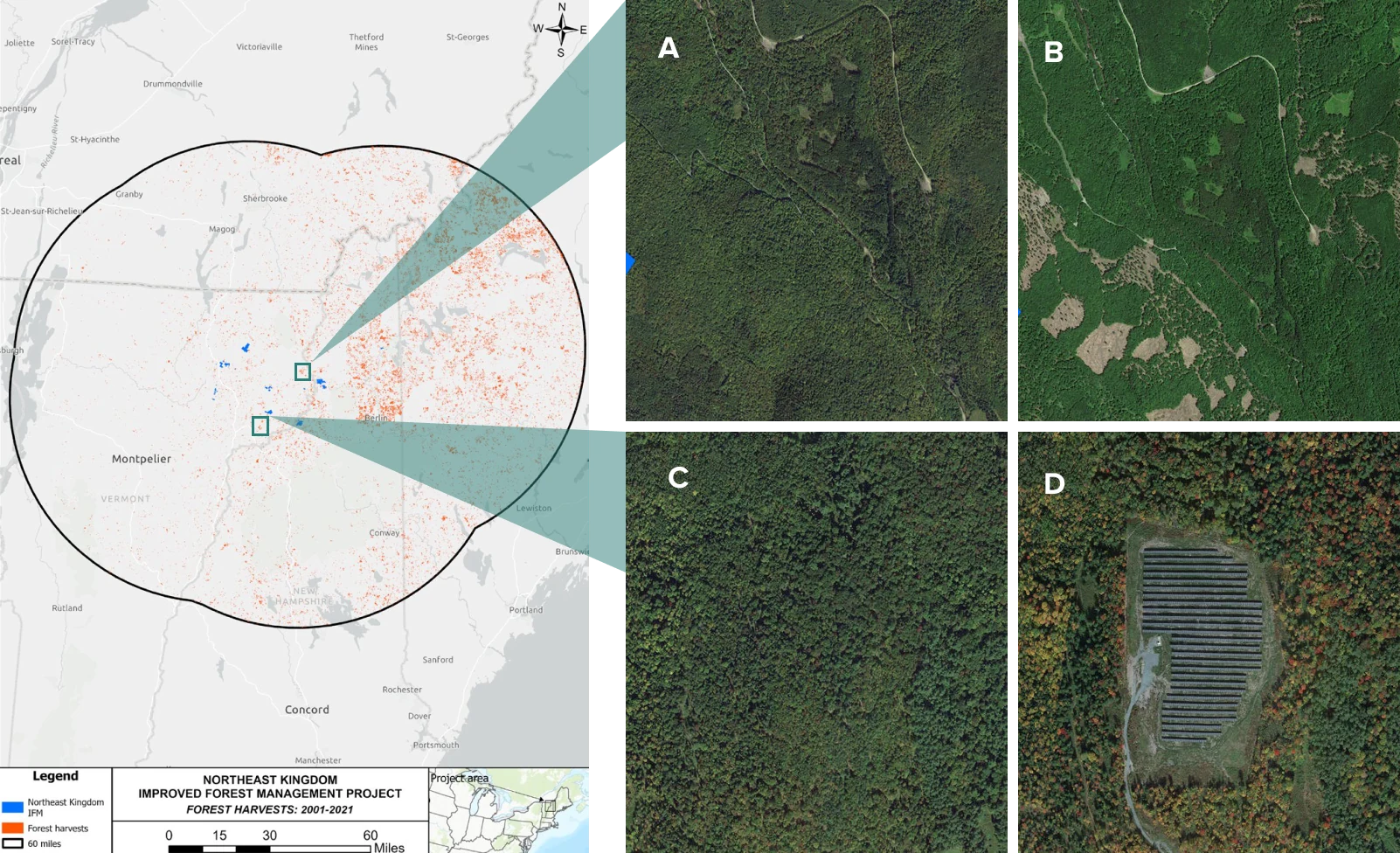
Forest loss due to solar. Before (C) and after (D)
1. Hansen, M. C., P. V. Potapov, R. Moore, M. Hancher, S. A. Turubanova, A. Tyukavina, D. Thau, S. V. Stehman, S. J. Goetz, T. R. Loveland, A. Kommareddy, A. Egorov, L. Chini, C. O. Justice, and J. R. G. Townshend. “High-Resolution Global Maps of 21st-Century Forest Cover Change.” Science 342 (15 November 2013 & updates): 850–53. Data available on-line from: https://glad.earthengine.app/view/global-forest-change.
Regional Mill Capacity
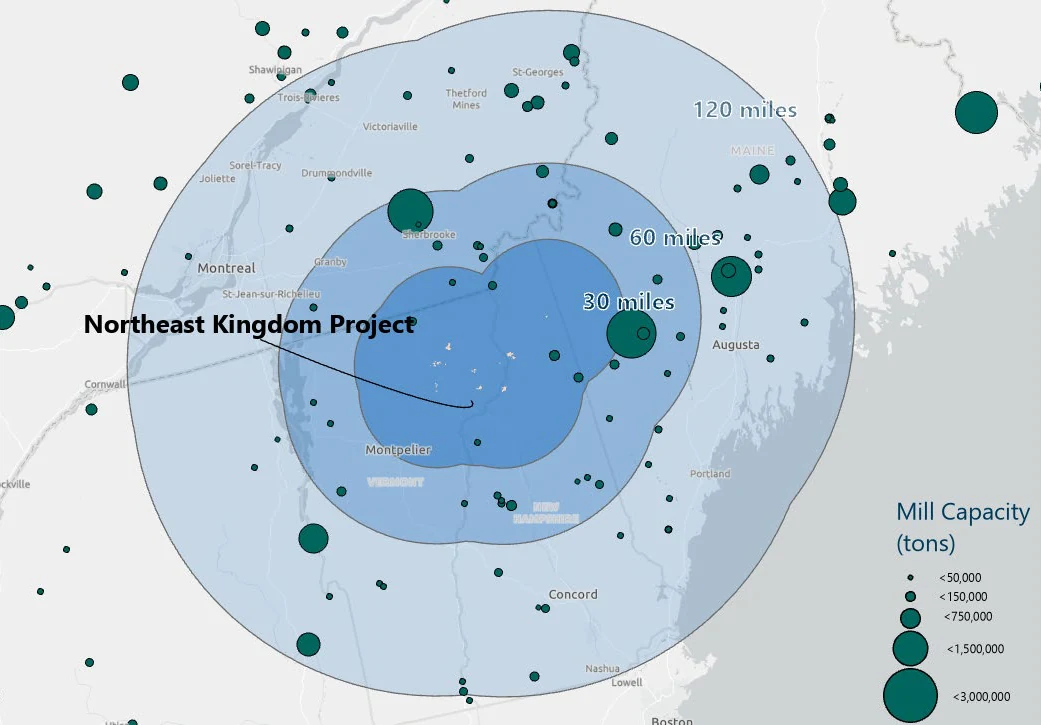
This map represents forest product mills within the vicinity of the Northeast Kingdom project area. Circle size is relative to total capacity. Had harvesting been pursued in the absence of the carbon project, there is ample mill capacity in the region.
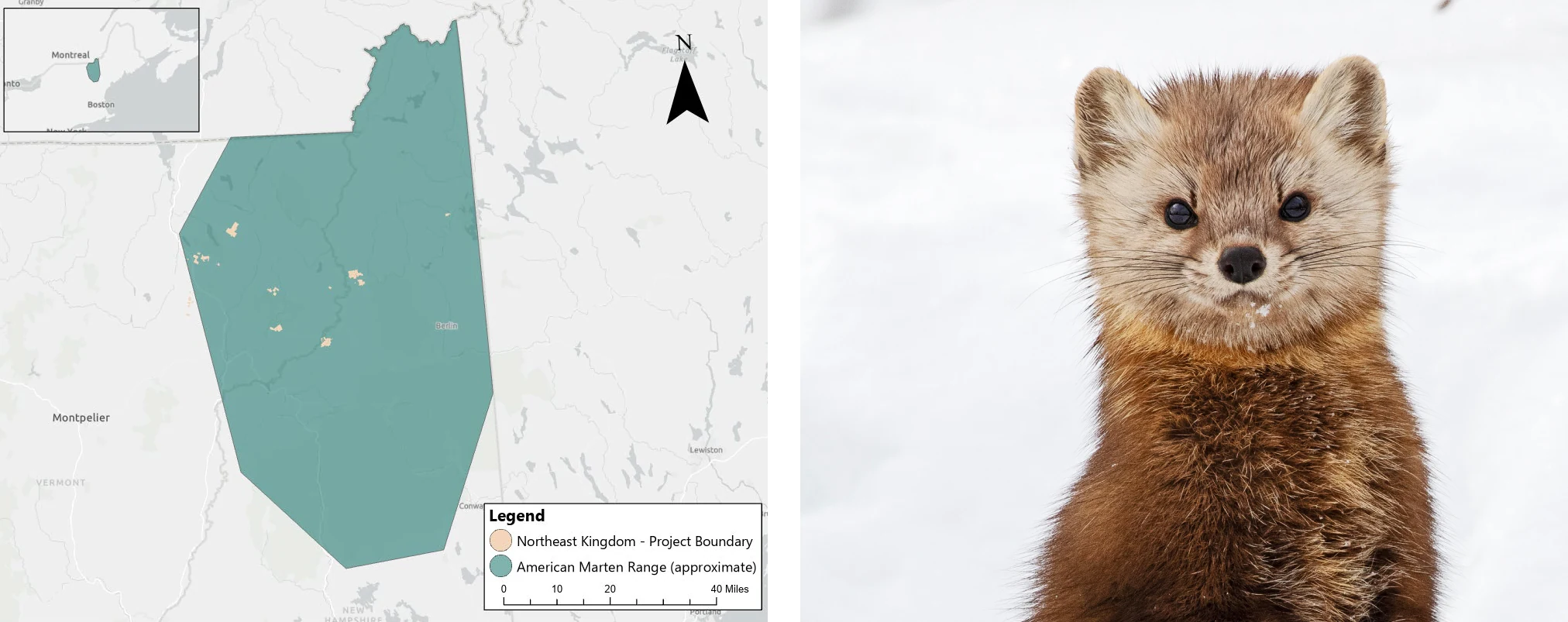
Ecological Feature: American Marten
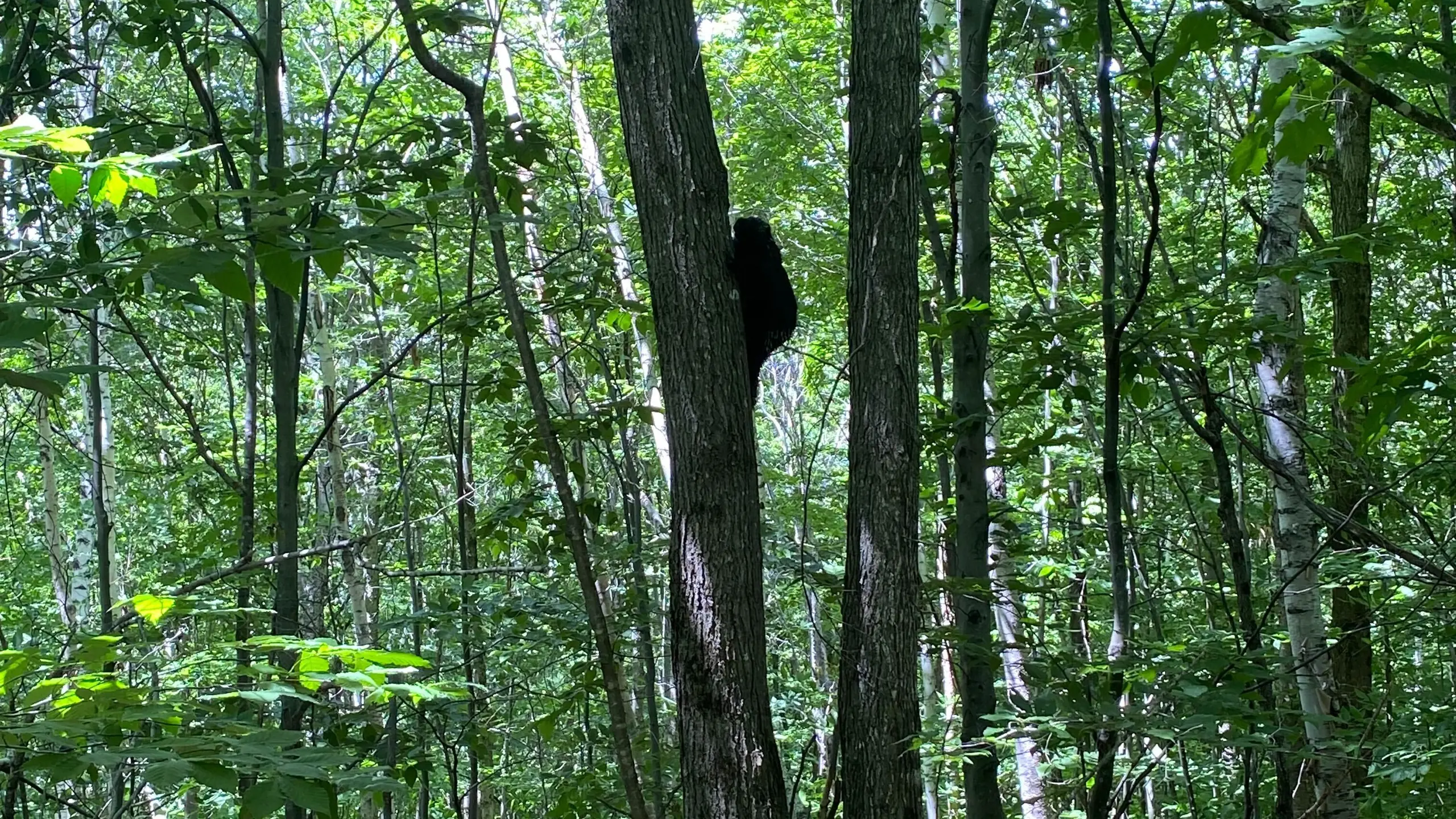
The Northeast Kingdom project lies within the historical range of the American Marten, a species historically on the decline in Vermont and New Hampshire but that has gradually been repopulating the project areas as forest habitat returns to the species’ preferred state. The Northeast Kingdom forest carbon project furthers the goal of marten conservation by reducing timber harvest pressure and deforestation, which in turn creates the older-aged, complex, and continuous forests that martens require.
Project Impacts
Sustainable Development Goals in action
A universal blueprint for a better world—Anew is helping deliver on the United Nations global vision for social, economic, and environmental sustainability.
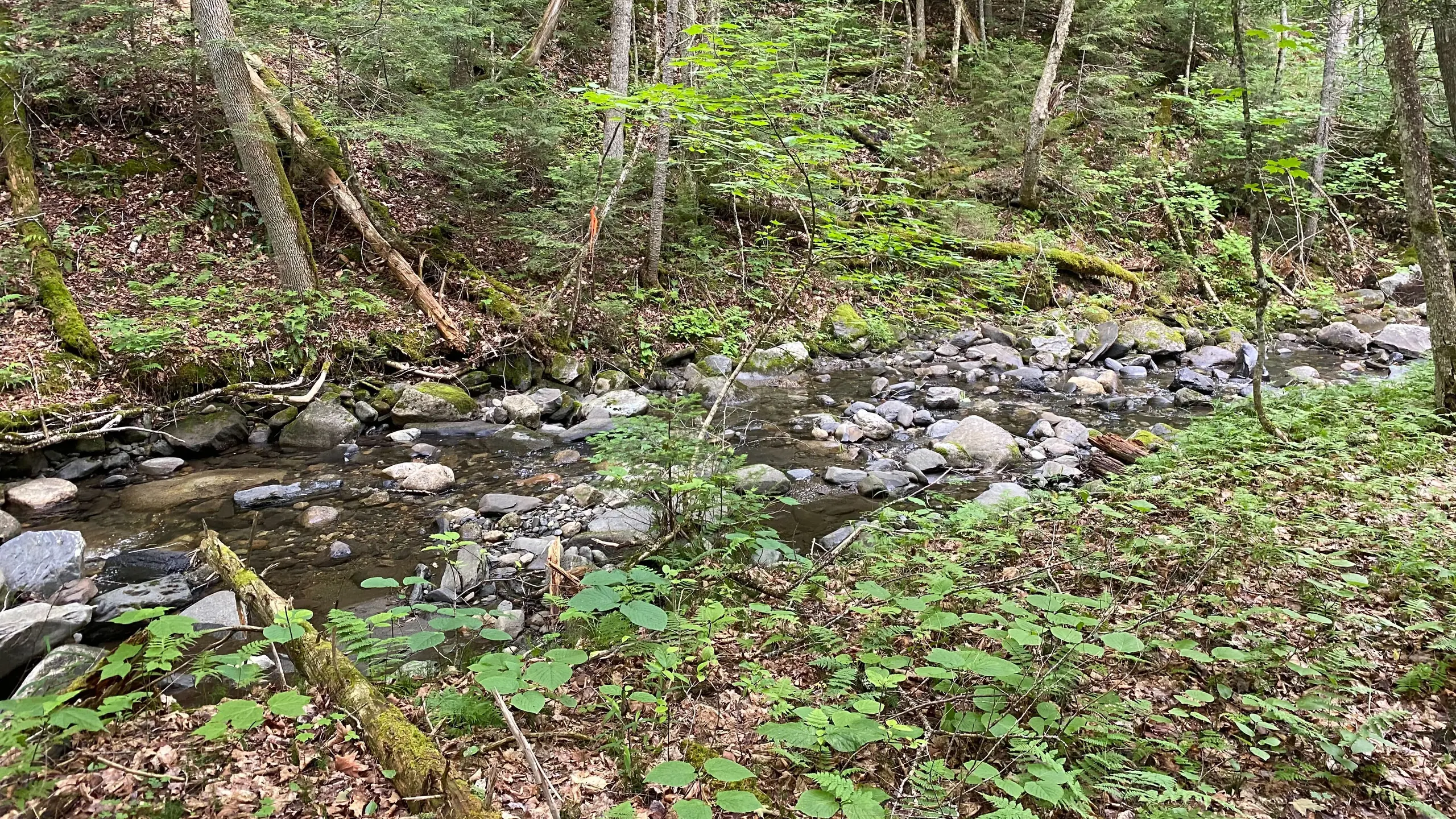
Clean Water and Sanitation
The forest provides filtration for downstream communities along the Connecticut River and prevents soil erosion from increasing rainfall.

Decent Work and Economic Growth
Through its sustainable forestry and timber management and maple sugaring operations, the project provides jobs and contributes to the local and regional economies of the northeast.
Climate Action
This project will help trees grow into maturity and sequester a greater amount of atmospheric carbon dioxide through their natural life cycles. Over its first 20 years, the project is anticipated to create over 492,596 tCO₂e of emissions reductions.
Life on Land
The project forest is managed to enhance habitat for the animals that call it home, including its populations of black bear, deer, and moose.

How does IFM generate both removals and conservation credits?
Conservation Credits
Conservation credits account for climate benefit coming from the protection of the project area. Emissions that would have been released if the land was instead harvested in the absence of the project are quantified. Many of the co-benefits associated with forestry projects are inherently linked to the preservation of existing forest stands.
Removal Credits
As the newly protected trees grow, carbon is pulled from the atmosphere and sequestered in the trees’ wood material through the most proven direct air capture technology on the planet, photosynthesis.