Green Plains BECCS Project
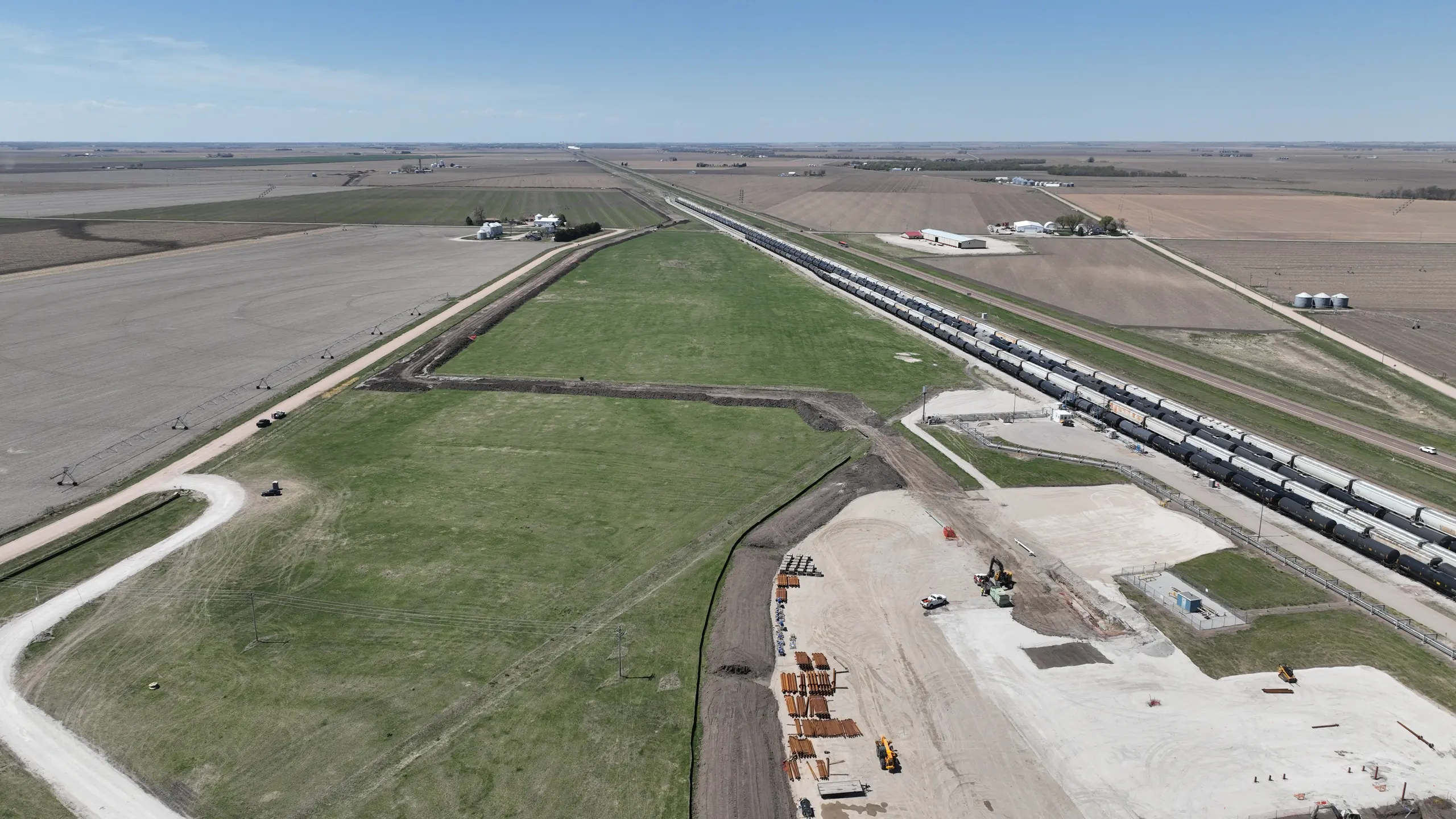
Capturing biogenic CO₂ from three Nebraska ethanol biorefineries and permanently storing it underground in Wyoming.
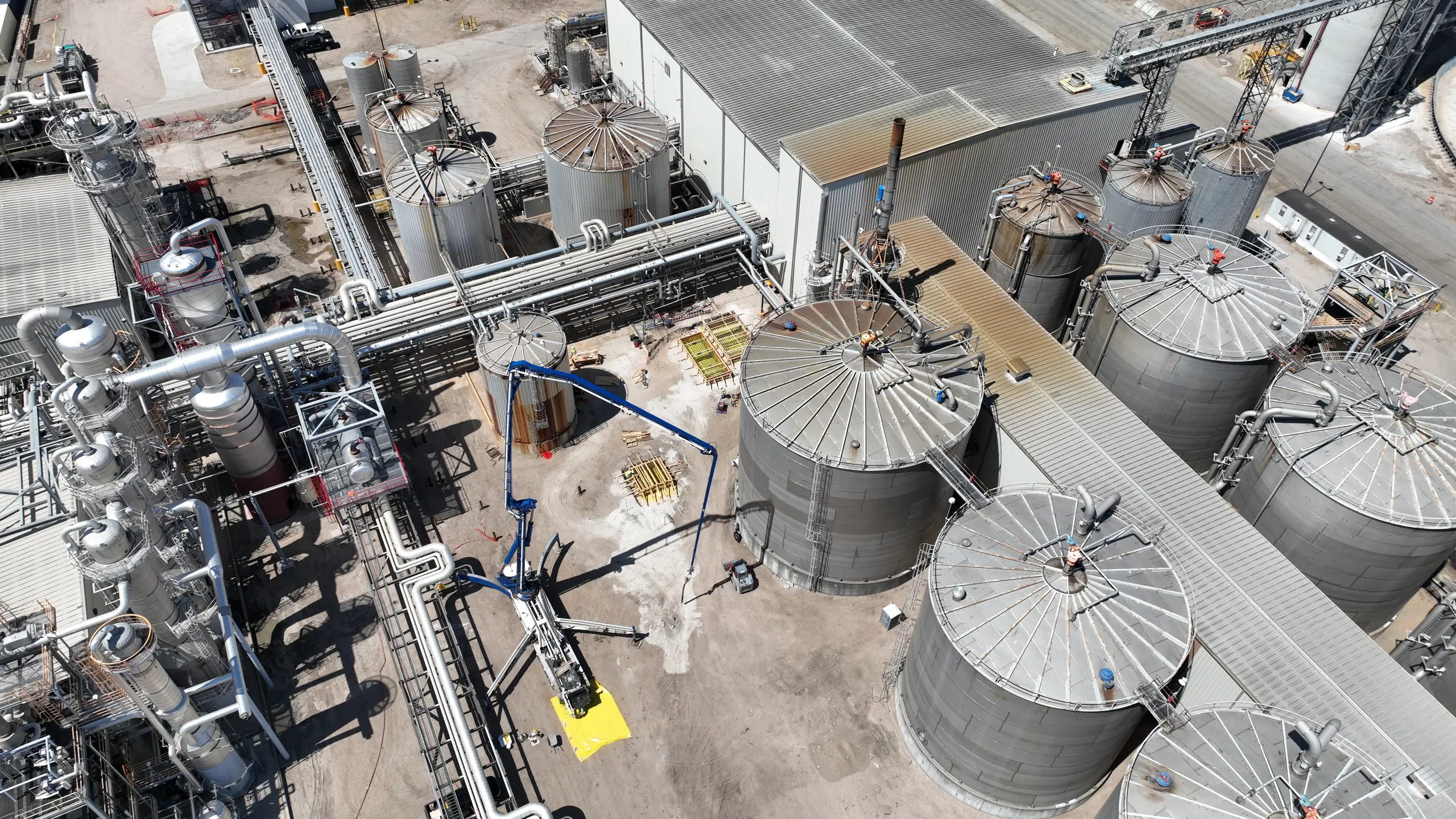
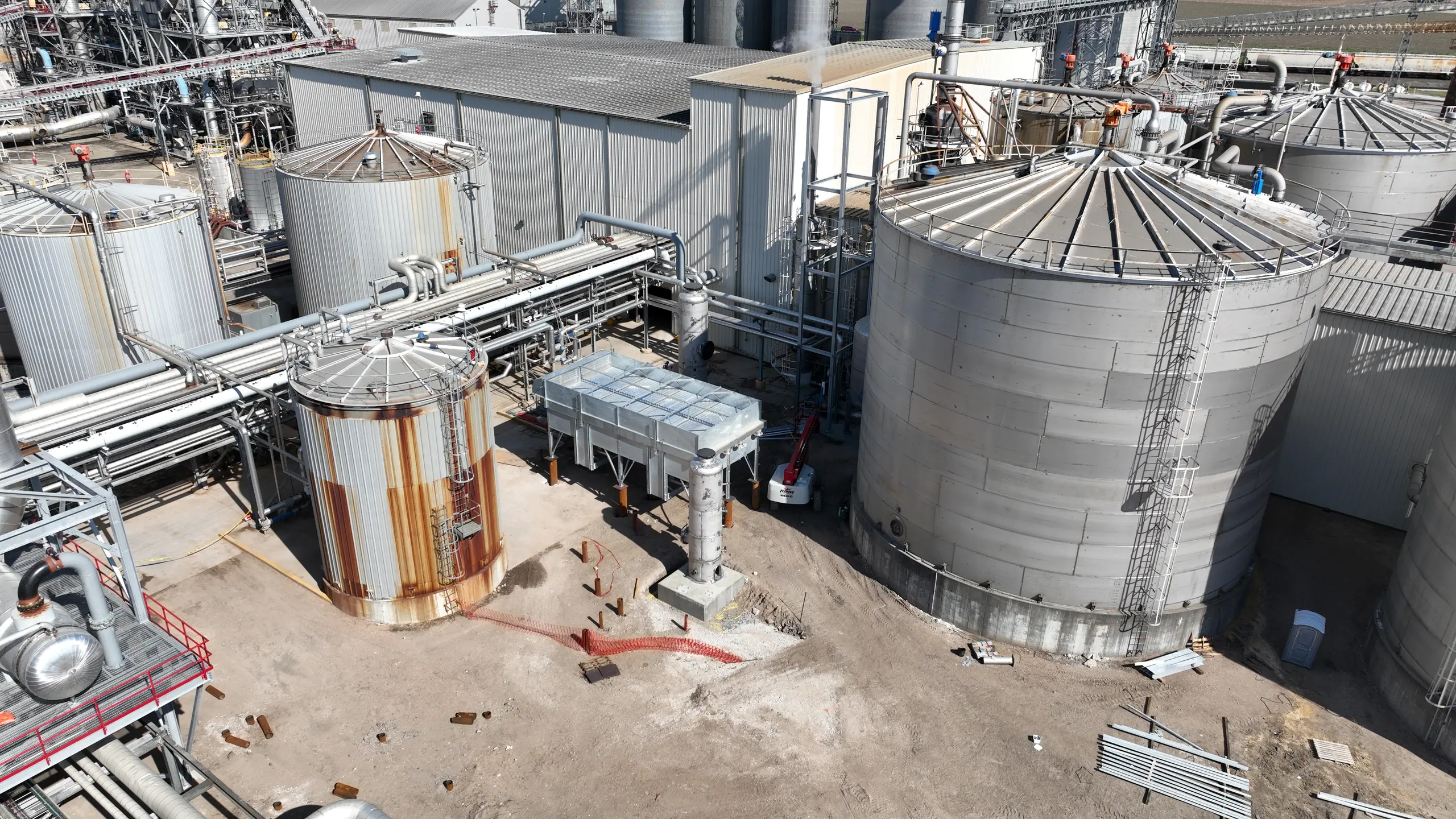
In the heart of America’s Corn Belt, the Green Plains Bioenergy with Carbon Capture and Storage (BECCS) project is turning ethanol emissions into meaningful climate impact. This large-scale initiative permanently captures and stores waste biogenic carbon dioxide (CO₂) from three of its Nebraska biorefining facilities, generating carbon dioxide removal credits (CDRs) in the process. Annually, the project is expected to sequester 800,000 metric tons of CO₂ released from the fermentation of corn biomass for ethanol production, resulting in an estimated 656,000 carbon removal credits in the process. The three capture facilities, collectively capable of producing 287 million gallons of ethanol annually, capture waste CO₂ that would otherwise be vented into the atmosphere.
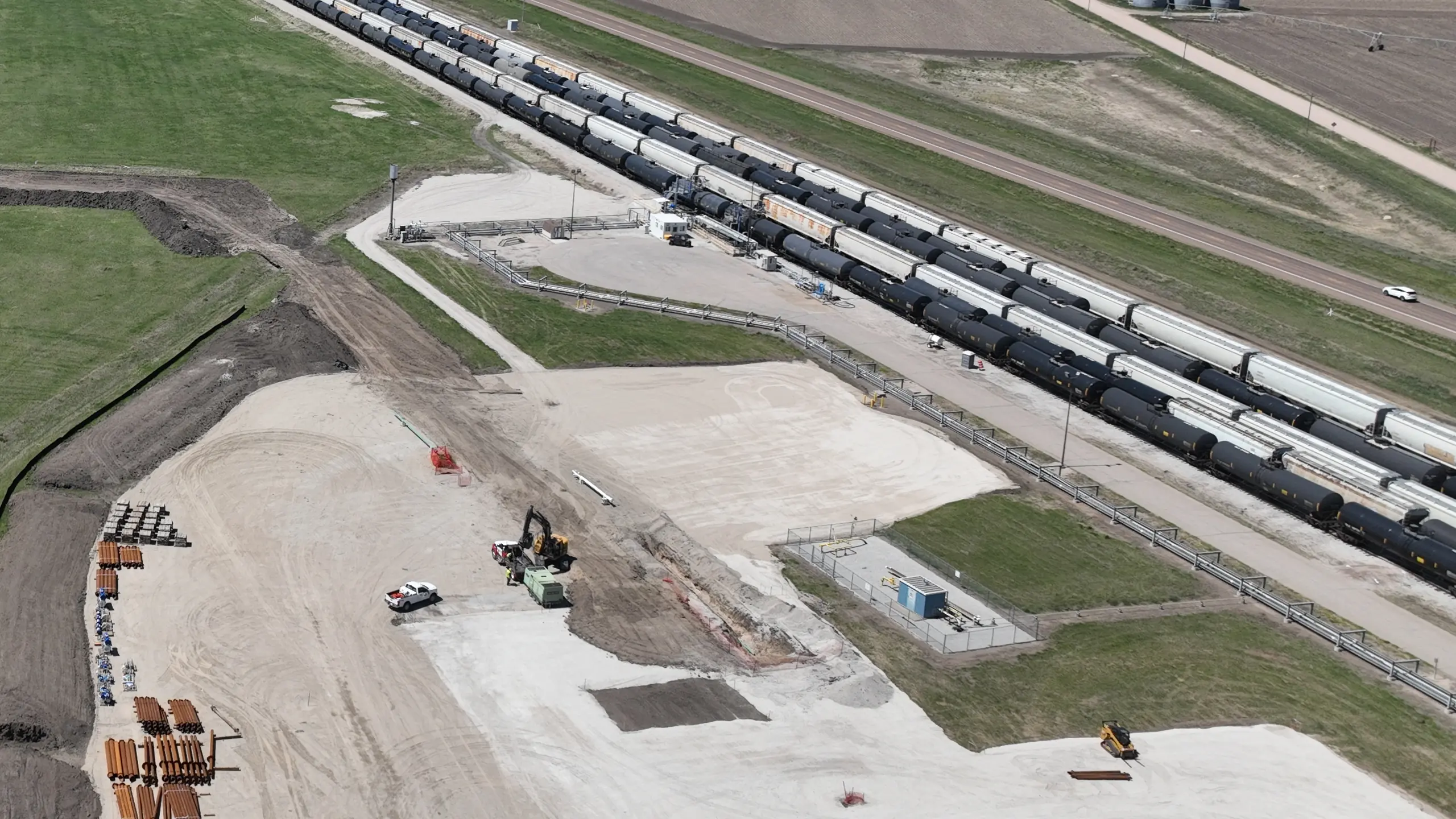
Once captured, the CO₂ is dehydrated, compressed, transported via pipeline, and permanently stored in Class VI-fully permitted and active geologic storage wells in eastern Wyoming.
The project brings together multiple partners in agriculture, fuel transport, and local farming to address both regional and global decarbonization goals while supporting the transition to more sustainable biofuel production. By leveraging a proven process to capture and sequester CO₂, this project not only lowers the carbon intensity of the ethanol produced but also contributes permanent removals to the voluntary carbon market.

Project Financing and Sustainability
The Green Plains BECCS project is financed through a loan which requires carbon revenues for ongoing loan payments. These revenues not only support repayment of the construction loan but also cover the long-term maintenance of the project including operating expenses, fuel transport costs, and tariffs incurred by the project. Additionally, revenues from the project benefit local farmers, first responders, and local communities through annual endowments, as well as help fund future CCS projects and a low-carbon corn program.
The project supports Green Plains’ internal sustainability initiatives through decarbonizing their production facilities and reducing the carbon intensity (CI) score of its ethanol production. Green Plains has secured validation of its near-term 2030 sustainability targets through the Science Based Targets initiative (SBTi), the most ambitious designation currently available to corporates and other organizations.
Tallgrass Partnership
Through a long-term financial agreement, Green Plains has partnered with Tallgrass to transport and sequester CO₂ via the Trailblazer pipeline and Tallgrass infrastructure. Through this partnership, the project is part of a larger, multi-state carbon capture and storage (CCS) project throughout the Midwest. Revenues from the Green Plains project help provide financing for critical infrastructure, reducing the risk for other offtakers on the system, laying the groundwork for economic and community benefits associated with the Tallgrass project.
Economic and Community Benefits
The project has both local and regional benefits. According to the project’s economic impact report, the construction phase (2024-2025) will:
- Support an average of 17,424 jobs annually
- Generate $3.3 billion in economic activity to the region
- Provide $1.1 billion in wages and $175.3 million in self-employment income
During the operations phase (2026-2035), the project is expected to:
- Support over 1,300 jobs annually
- Generate $563.5 million in wages
- Generate $241 million in self-employment income
In addition to its climate benefits, the project provides a meaningful community impact by establishing a $500,000 community investment fund with annual donations tied to the volume of CO₂ sequestered and annual bonuses paid to participating landowners. Tallgrass has committed to supporting local emergency responders through a $200,000 training program and a $400,000 grant for emergency services equipment and ongoing support.
As part of the larger CCS project, Green Plains has actively engaged multiple local stakeholders through facility tours and education sessions, reaching local landowners, community leaders, conservation organizations, and local representatives. Through the project and local partnerships, active hiring, and public transparency initiatives, Green Plains aims to ensure that the project provides lasting benefits to the community beyond the material climate benefits in the capture and sequestration of CO₂.
Project Impacts
Sustainable Development Goals in action
A universal blueprint for a better world—Anew is helping deliver on the United Nations global vision for social, economic, and environmental sustainability.
Affordable and Clean Energy
Decent Work and Economic Growth
Responsible Consumption and Production
Climate Action